Uncured Ham
What is Uncured Ham?
Uncured ham is pork that has been preserved using natural curing agents like celery powder or celery juice, rather than synthetic ones. It comes from the hind leg of a pig. The curing process helps to preserve the meat and give it a distinct flavor and color.
Is Uncured Ham vegan?
No. Uncured Ham is animal-derived, so it is not vegan.
Is Uncured Ham a major allergen?
Not a major allergen.
What is Uncured Ham used for?
Manufacturers add uncured ham for its savory flavor and texture.
Is Uncured Ham safe?
Uncured ham is not subject to the same regulations as cured ham regarding nitrites and nitrates, as it uses naturally occurring sources.
Why it's used
Manufacturers add uncured ham for its savory flavor and texture. It is commonly found in deli meats, sandwiches, soups, and breakfast items. It provides a salty, meaty taste that enhances the overall profile of these foods.
Health notes
Uncured ham is not subject to the same regulations as cured ham regarding nitrites and nitrates, as it uses naturally occurring sources. The FDA considers ingredients like celery powder, used for curing, to be GRAS (Generally Recognized As Safe). Regulatory bodies like EFSA and JECFA have evaluated related compounds, but specific evaluations for 'uncured ham' as a distinct product category with health implications are not typically found. Evidence on the health effects of naturally cured meats at typical consumption levels is still being researched, with some studies suggesting potential links to health outcomes similar to cured meats, while others find no significant difference.
Allergen info
Not a major allergen. Pork is not one of the nine major allergens recognized by the FDA.
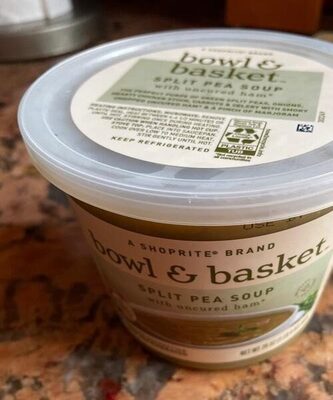
Foods that contain Uncured Ham
Compare products →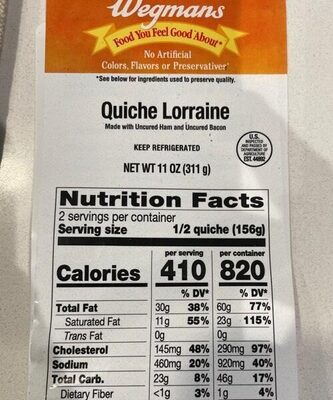
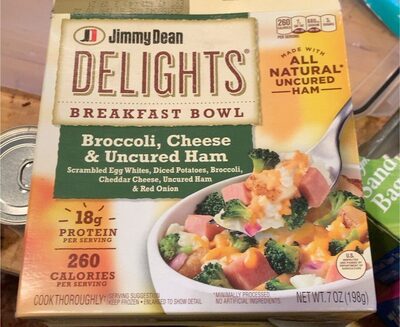
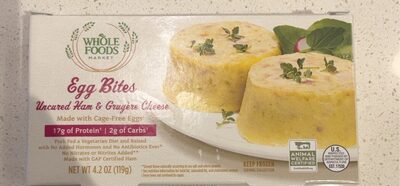
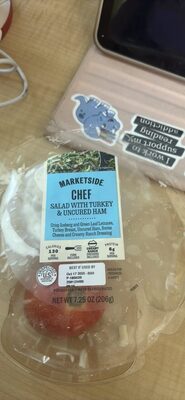
Learn more
Auto-generated content. This description was generated automatically and is pending editorial review. Inaccuracies are possible. Found a mistake? Contact us.