Unenriched Durum Wheat Semolina
Auto-generated content. This description was generated automatically and is pending editorial review. Inaccuracies are possible. Found a mistake? Contact us.
What it is
Durum wheat semolina is a coarse flour made from durum wheat, a hard variety of wheat. It is the primary ingredient in traditional pasta and couscous. The 'unenriched' designation means that no vitamins or minerals have been added back after processing.
Why it's used
Manufacturers use unenriched durum wheat semolina as the base for pasta, couscous, and gnocchi due to its firm texture and ability to hold its shape when cooked. Its granular texture also makes it suitable for some baked goods and as a coating.
Health notes
Unenriched durum wheat semolina is generally recognized as safe (GRAS) by the FDA when used as a food ingredient. It is a source of carbohydrates and some protein. JECFA and EFSA have evaluated durum wheat and its components. At typical consumption levels, it provides energy and nutrients found in whole grains.
Allergen info
Unenriched durum wheat semolina is derived from wheat, which is one of the 9 FDA major allergens. It naturally contains gluten.
Products containing Unenriched Durum Wheat Semolina
Compare products →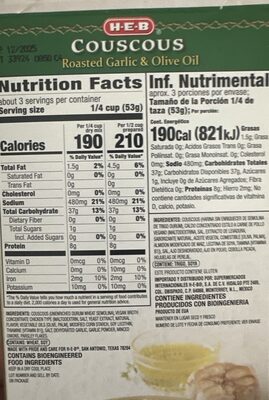 H E Butt Grocery Company
Roasted Garlic & Olive Oil
High in sodium — 21% DV per serving
358kcal
13.2Protein
1.9Fat
73.6Carbs
Severino Pasta Mfg.
Severino, Potato Gnocchi
212kcal
7.1Protein
1.2Fat
43.5Carbs
Taylor Fresh Foods, Inc.
Spinach & Couscous Salad Bowl
170kcal
4.4Protein
11.8Fat
14.8Carbs
Taylor Fresh Foods, Inc.
Ciao Chopped Salad
126kcal
3.1Protein
7.3Fat
12.6Carbs
Cedarlane Natural Foods, Inc.
Bow Tie Pasta Salad
210kcal
5Protein
8Fat
31Carbs
Schnuck Markets, Inc.
Orzo Salad With Sun Dried Tomatoes
High in sodium — 24% DV per serving
179kcal
4.3Protein
10.7Fat
17.1Carbs
Cedarlane Natural Foods, Inc.
All Natural & Vegetarian Orzo Salad
High in sodium — 24% DV per serving
179kcal
4.3Protein
10.7Fat
17.1Carbs
Severino Pasta Mfg.
Ravioli Cheese Pasta, Ravioli Cheese
High in saturated fat — 23% DV per serving
240kcal
13Protein
10Fat
25Carbs
H E Butt Grocery Company
Tomato & Basil Couscous, Tomato & Basil
352kcal
13.0Protein
2.8Fat
70.4Carbs
H E Butt Grocery Company
Roasted Garlic & Olive Oil
High in sodium — 21% DV per serving
358kcal
13.2Protein
1.9Fat
73.6Carbs
Severino Pasta Mfg.
Severino, Potato Gnocchi
212kcal
7.1Protein
1.2Fat
43.5Carbs
Taylor Fresh Foods, Inc.
Spinach & Couscous Salad Bowl
170kcal
4.4Protein
11.8Fat
14.8Carbs
Taylor Fresh Foods, Inc.
Ciao Chopped Salad
126kcal
3.1Protein
7.3Fat
12.6Carbs
Cedarlane Natural Foods, Inc.
Bow Tie Pasta Salad
210kcal
5Protein
8Fat
31Carbs
Schnuck Markets, Inc.
Orzo Salad With Sun Dried Tomatoes
High in sodium — 24% DV per serving
179kcal
4.3Protein
10.7Fat
17.1Carbs
Cedarlane Natural Foods, Inc.
All Natural & Vegetarian Orzo Salad
High in sodium — 24% DV per serving
179kcal
4.3Protein
10.7Fat
17.1Carbs
Severino Pasta Mfg.
Ravioli Cheese Pasta, Ravioli Cheese
High in saturated fat — 23% DV per serving
240kcal
13Protein
10Fat
25Carbs
H E Butt Grocery Company
Tomato & Basil Couscous, Tomato & Basil
352kcal
13.0Protein
2.8Fat
70.4Carbs