Vegetable Shortening Palm Oil
What is Vegetable Shortening Palm Oil?
Vegetable shortening is a solid fat made from vegetable oils. It is typically produced by hydrogenating liquid vegetable oils, a process that makes them more solid and stable. This results in a fat that is solid at room temperature, similar to butter or lard.
Is Vegetable Shortening Palm Oil vegan?
Vegetable Shortening Palm Oil is not animal-derived. Products that contain it can still include other animal-derived ingredients, so check the full ingredient list.
Is Vegetable Shortening Palm Oil gluten-free?
Gluten is also not present.
Is Vegetable Shortening Palm Oil a major allergen?
Vegetable shortening is not a major allergen.
What is Vegetable Shortening Palm Oil used for?
Manufacturers use vegetable shortening for its ability to create tender and flaky baked goods, such as cookies, cakes, and pastries.
Is Vegetable Shortening Palm Oil safe?
In the US, vegetable shortening is generally recognized as safe (GRAS) by the FDA.
Why it's used
Manufacturers use vegetable shortening for its ability to create tender and flaky baked goods, such as cookies, cakes, and pastries. It helps prevent gluten development, leading to a softer texture. It also contributes to a longer shelf life due to its stability.
Health notes
In the US, vegetable shortening is generally recognized as safe (GRAS) by the FDA. It is a source of fat and calories. While some shortenings may contain trans fats, many modern formulations have reduced or eliminated them. JECFA has evaluated fats and oils, and EFSA has also assessed various fats and oils for their safety.
Allergen info
Vegetable shortening is not a major allergen. It is typically derived from soy, corn, or canola oil, which are not among the nine major allergens. Gluten is also not present.
Foods that contain Vegetable Shortening Palm Oil
Compare products →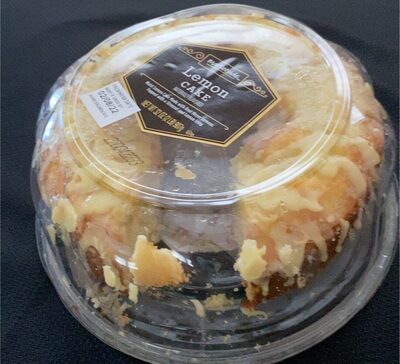
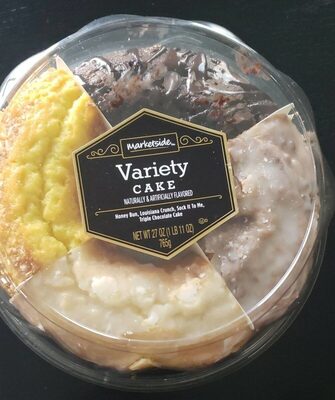
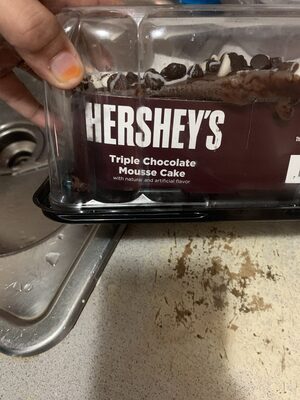
Learn more
Auto-generated content. This description was generated automatically and is pending editorial review. Inaccuracies are possible. Found a mistake? Contact us.