Vitamins & Minerals: Sodium Ascorbate
Auto-generated content. This description was generated automatically and is pending editorial review. Inaccuracies are possible. Found a mistake? Contact us.
What it is
Sodium ascorbate is the sodium salt of ascorbic acid, also known as vitamin C. It is produced industrially by a fermentation process followed by chemical synthesis. It is often used as a more stable and less acidic form of vitamin C.
Why it's used
Manufacturers add sodium ascorbate primarily as an antioxidant to prevent spoilage and maintain the color and flavor of foods. It is commonly found in processed meats, baked goods, beverages, and dried fruits.
Health notes
Sodium ascorbate is generally recognized as safe (GRAS) by the FDA when used as a nutrient or preservative. It functions as vitamin C in the body, which is essential for immune function and collagen production. JECFA and EFSA have evaluated sodium ascorbate and established acceptable daily intakes. Evidence does not suggest adverse health effects at typical dietary intake levels.
Allergen info
Sodium ascorbate is not derived from any of the 9 major allergens and does not contain gluten.
Products containing Vitamins & Minerals: Sodium Ascorbate
Compare products →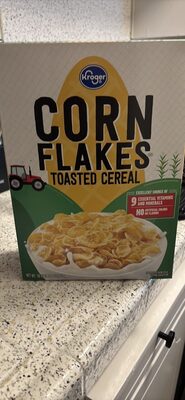 The Kroger Co.
Corn Flakes Toasted Cereal
350kcal
5Protein
0Fat
75Carbs
The Kroger Co.
Corn Flakes Toasted Cereal
350kcal
5Protein
0Fat
75Carbs
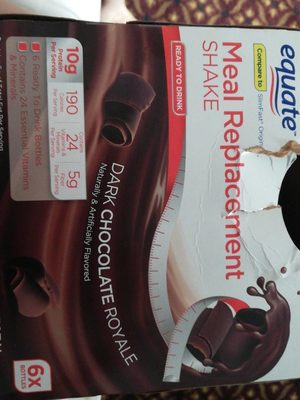 Wal-Mart Stores, Inc.
Protein 10 G Meal Replacement Shakes, Dark Chocolate Royale, Dark Chocolate Royale
58kcal
3.1Protein
1.9Fat
8Carbs
The Kroger Co.
Kroger, Bran Flakes
310kcal
10.3Protein
1.7Fat
79.3Carbs
Weis Markets, Inc.
Weis, Wheat Bran Flakes, Whole Grain Wheat Cereal With Bran
310kcal
10.3Protein
1.7Fat
79.3Carbs
Wal-Mart Stores, Inc.
Protein 10 G Meal Replacement Shakes, Creamy Milk Chocolate, Creamy Milk Chocolate
58kcal
3.1Protein
1.9Fat
7.4Carbs
Wal-Mart Stores, Inc.
Protein 10 G Meal Replacement Shakes, Creamy Milk Chocolate, Creamy Milk Chocolate
58kcal
3.1Protein
1.9Fat
7.4Carbs
Wal-Mart Stores, Inc.
Protein 10 G Meal Replacement Shakes, Strawberries & Cream, Strawberries & Cream
58kcal
3.1Protein
1.9Fat
7.4Carbs
Wal-Mart Stores, Inc.
Protein 10 G Meal Replacement Shakes, French Vanilla, French Vanilla
55kcal
3.1Protein
1.9Fat
7.1Carbs
Meijer, Inc.
Frosted Flakes Sweetened Flakes Of Corn Cereal, Frosted Flakes
379kcal
3.5Protein
0Fat
89.7Carbs
Wal-Mart Stores, Inc.
Protein 10 G Meal Replacement Shakes, Dark Chocolate Royale, Dark Chocolate Royale
58kcal
3.1Protein
1.9Fat
8Carbs
The Kroger Co.
Kroger, Bran Flakes
310kcal
10.3Protein
1.7Fat
79.3Carbs
Weis Markets, Inc.
Weis, Wheat Bran Flakes, Whole Grain Wheat Cereal With Bran
310kcal
10.3Protein
1.7Fat
79.3Carbs
Wal-Mart Stores, Inc.
Protein 10 G Meal Replacement Shakes, Creamy Milk Chocolate, Creamy Milk Chocolate
58kcal
3.1Protein
1.9Fat
7.4Carbs
Wal-Mart Stores, Inc.
Protein 10 G Meal Replacement Shakes, Creamy Milk Chocolate, Creamy Milk Chocolate
58kcal
3.1Protein
1.9Fat
7.4Carbs
Wal-Mart Stores, Inc.
Protein 10 G Meal Replacement Shakes, Strawberries & Cream, Strawberries & Cream
58kcal
3.1Protein
1.9Fat
7.4Carbs
Wal-Mart Stores, Inc.
Protein 10 G Meal Replacement Shakes, French Vanilla, French Vanilla
55kcal
3.1Protein
1.9Fat
7.1Carbs
Meijer, Inc.
Frosted Flakes Sweetened Flakes Of Corn Cereal, Frosted Flakes
379kcal
3.5Protein
0Fat
89.7Carbs