White Nonpareils
What is White Nonpareils?
White nonpareils are tiny, hard spheres made primarily from sugar, corn syrup, and cornstarch. They are produced by a process called "drageeing," where sugar syrup is applied to small seeds or sugar crystals, which are then rolled and dried to form the characteristic bead shape.
Is White Nonpareils vegan?
White Nonpareils is not animal-derived. Products that contain it can still include other animal-derived ingredients, so check the full ingredient list.
Is White Nonpareils gluten-free?
They do not contain gluten.
Is White Nonpareils a major allergen?
White nonpareils are not derived from any of the nine major allergens.
What is White Nonpareils used for?
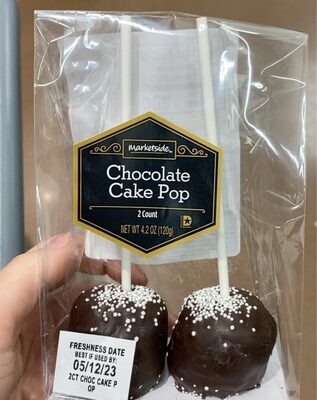
Manufacturers use white nonpareils for decoration, adding a sweet crunch and visual appeal to baked goods and candies.
Is White Nonpareils safe?
White nonpareils are generally recognized as safe (GRAS) by the FDA for use as a food ingredient.
Why it's used
Manufacturers use white nonpareils for decoration, adding a sweet crunch and visual appeal to baked goods and candies. Their primary function is aesthetic, enhancing the appearance of products like cakes, cupcakes, cookies, and chocolates.
Health notes
White nonpareils are generally recognized as safe (GRAS) by the FDA for use as a food ingredient. They are primarily composed of sugar, and like other sugary foods, excessive consumption can contribute to increased calorie intake. International bodies like JECFA have evaluated sugar and corn syrup, and their use in moderation is considered acceptable.
Allergen info
White nonpareils are not derived from any of the nine major allergens. They do not contain gluten.
Foods that contain White Nonpareils
Compare products →
Auto-generated content. This description was generated automatically and is pending editorial review. Inaccuracies are possible. Found a mistake? Contact us.