Whole Almonds
What is Whole Almonds?
Whole almonds are the complete, unprocessed kernel of the almond tree fruit. They grow inside a hard shell, which is removed before they are sold. Almonds are native to the Middle East and are now widely cultivated in California.
Is Whole Almonds vegan?
Whole Almonds is not animal-derived. Products that contain it can still include other animal-derived ingredients, so check the full ingredient list.
Is Whole Almonds gluten-free?
They do not contain gluten.
Is Whole Almonds a major allergen?
Almonds are a major allergen as they are a type of tree nut.
What is Whole Almonds used for?
Almonds are often eaten as a snack or used as an ingredient in baked goods, cereals, and trail mixes.
Is Whole Almonds safe?
Almonds are a source of healthy fats, fiber, protein, and vitamins and minerals.
Why it's used
Almonds are often eaten as a snack or used as an ingredient in baked goods, cereals, and trail mixes. They add a nutty flavor, crunchy texture, and nutritional value to foods. Manufacturers may also use them to create almond milk or almond butter.
Health notes
Almonds are a source of healthy fats, fiber, protein, and vitamins and minerals. The US National Academies have established upper intake levels for certain vitamins and minerals. JECFA has evaluated almonds and found them to be safe for consumption. No major controversies are associated with whole almonds.
Allergen info
Almonds are a major allergen as they are a type of tree nut. They do not contain gluten.
Foods that contain Whole Almonds
Compare products →
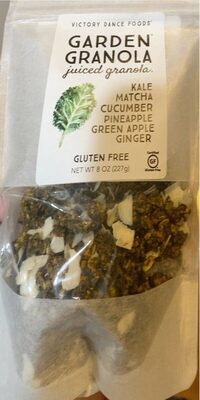
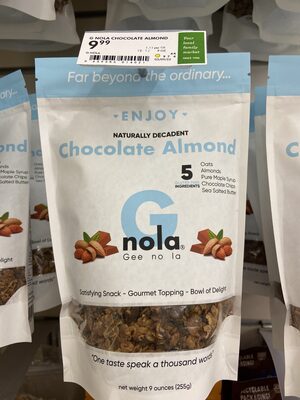
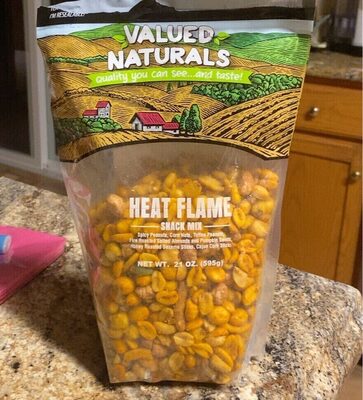
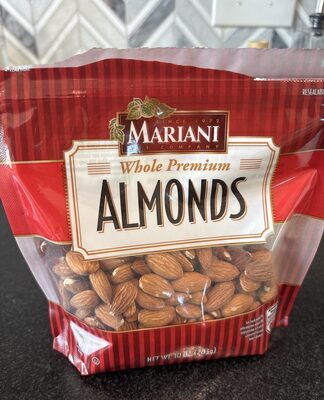
Learn more
Auto-generated content. This description was generated automatically and is pending editorial review. Inaccuracies are possible. Found a mistake? Contact us.