Whole Soybeans
What is Whole Soybeans?
Whole soybeans are the complete, unprocessed soybean seed. They are a legume native to East Asia, grown globally for their versatile uses. Soybeans are a rich source of protein and oil.
Is Whole Soybeans vegan?
Whole Soybeans is not animal-derived. Products that contain it can still include other animal-derived ingredients, so check the full ingredient list.
Is Whole Soybeans gluten-free?
They do not contain gluten.
Is Whole Soybeans a major allergen?
Soybeans are one of the 9 FDA major allergens.
What is Whole Soybeans used for?
Whole soybeans are used as a food ingredient, often roasted or boiled.
Is Whole Soybeans safe?
Soybeans are generally recognized as safe (GRAS) by the FDA for consumption.
Why it's used
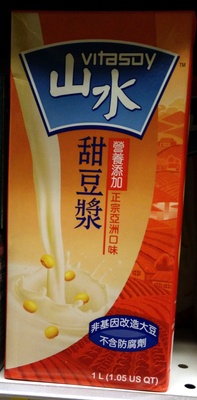
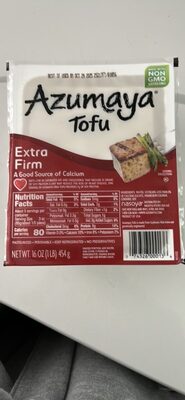
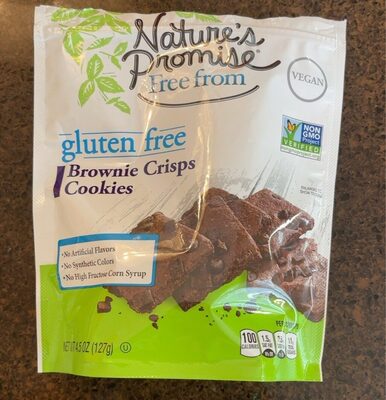
Whole soybeans are used as a food ingredient, often roasted or boiled. They can be found in snacks, crackers, and as a component in frozen meals. Their nutritional profile makes them valuable in plant-based food products.
Health notes
Soybeans are generally recognized as safe (GRAS) by the FDA for consumption. They are a good source of protein, fiber, and various micronutrients. JECFA has evaluated soybeans and determined an acceptable daily intake. Some research suggests potential benefits for heart health, while other studies explore impacts on hormone levels, though evidence is mixed and often depends on the form and amount consumed.
Allergen info
Soybeans are one of the 9 FDA major allergens. They do not contain gluten.
Foods that contain Whole Soybeans
Compare products →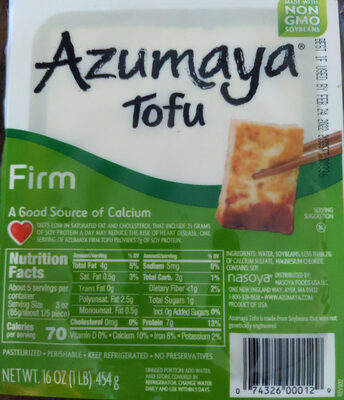



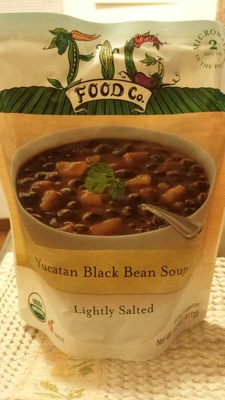
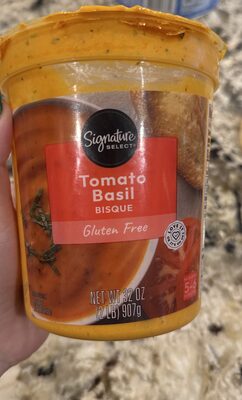

Learn more
Auto-generated content. This description was generated automatically and is pending editorial review. Inaccuracies are possible. Found a mistake? Contact us.