Yogurt Coating
What is Yogurt Coating?
Yogurt coating is a confection made by combining yogurt powder with sugar, vegetable oil, and sometimes milk solids. The mixture is then typically applied as a coating to other food items like fruits, nuts, or baked goods.
Is Yogurt Coating vegan?
No. Yogurt Coating is animal-derived, so it is not vegan.
Is Yogurt Coating gluten-free?
It does not contain gluten.
Is Yogurt Coating a major allergen?
Yogurt coating is derived from milk, which is one of the FDA's major allergens.
What is Yogurt Coating used for?
Manufacturers use yogurt coating to add a tangy flavor and a smooth texture to products.
Is Yogurt Coating safe?
Yogurt coating is generally recognized as safe (GRAS) by the FDA when used as intended.
Why it's used
Manufacturers use yogurt coating to add a tangy flavor and a smooth texture to products. It's often used on snacks like popcorn, peanuts, and granola bars, as well as on ice cream and frozen yogurt, to provide a sweet and slightly tart contrast.
Health notes
Yogurt coating is generally recognized as safe (GRAS) by the FDA when used as intended. It is primarily composed of sugar and fat, so typical consumption aligns with general dietary advice to limit added sugars and saturated fats. International bodies like JECFA and EFSA have evaluated similar ingredients. Evidence does not suggest adverse effects from typical consumption levels.
Allergen info
Yogurt coating is derived from milk, which is one of the FDA's major allergens. It does not contain gluten.
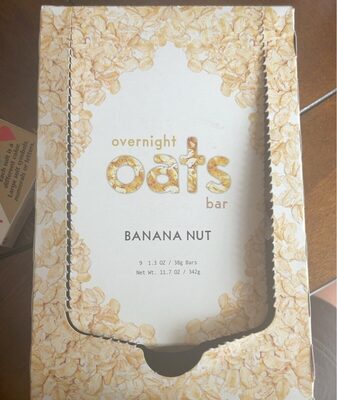
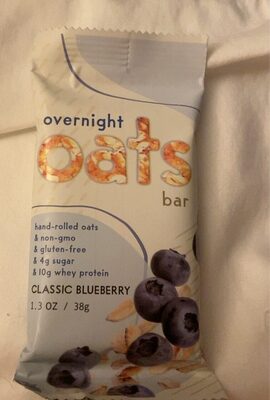
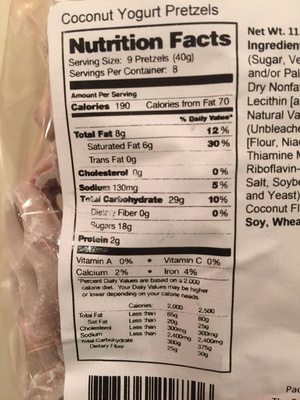
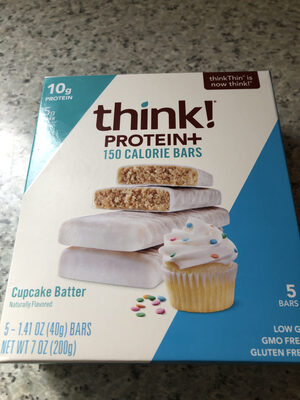
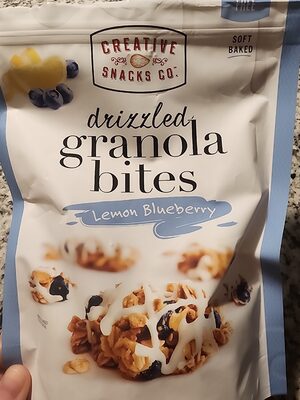
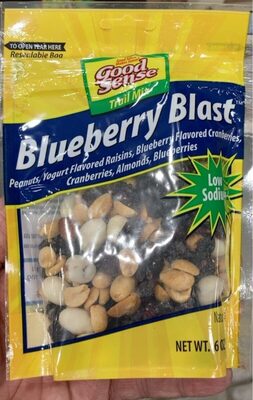
Foods that contain Yogurt Coating
Compare products →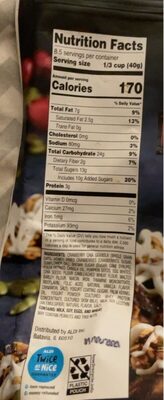
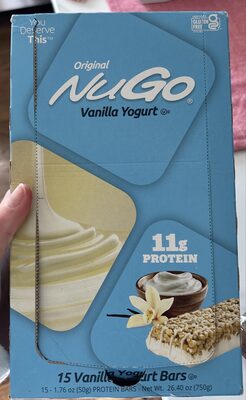
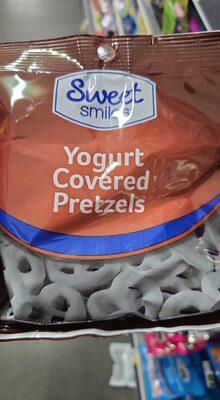
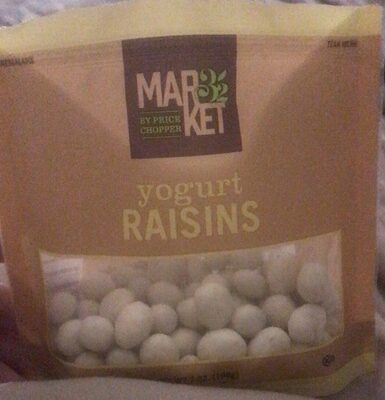
Learn more
Auto-generated content. This description was generated automatically and is pending editorial review. Inaccuracies are possible. Found a mistake? Contact us.