Acidophilus And Bifidobacterium
What is Acidophilus And Bifidobacterium?
Acidophilus and Bifidobacterium are types of live bacteria, often called 'probiotics.' They are naturally found in the human gut and are also present in fermented foods like yogurt. They are typically grown in a lab for use in food products.
Is Acidophilus And Bifidobacterium a major allergen?
Not a major allergen.
What is Acidophilus And Bifidobacterium used for?
These bacteria are added to foods to provide potential health benefits associated with probiotics.
Is Acidophilus And Bifidobacterium safe?
Acidophilus and Bifidobacterium are generally recognized as safe (GRAS) by the FDA for use in food.
Why it's used
These bacteria are added to foods to provide potential health benefits associated with probiotics. They are commonly found in dairy products like yogurt, kefir, and some cheeses, as well as in frozen desserts like ice cream and frozen yogurt.
Health notes
Acidophilus and Bifidobacterium are generally recognized as safe (GRAS) by the FDA for use in food. They are considered probiotics, which are live microorganisms that may offer health benefits when consumed in adequate amounts. International bodies like JECFA have evaluated probiotics, but specific numeric limits are not typically set. Research on the health effects of specific probiotic strains is ongoing, and benefits can vary.
Allergen info
Not a major allergen. These bacteria are not derived from any of the 9 FDA major allergens.
Foods that contain Acidophilus And Bifidobacterium
Compare products →



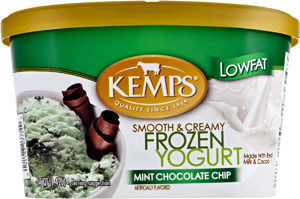 Kemps
Low Fat Smooth & Creamy Frozen Yogurt, Mint Chocolate Chip
169kcal
3.1Protein
2.3Fat
33.9Carbs









Auto-generated content. This description was generated automatically and is pending editorial review. Inaccuracies are possible. Found a mistake? Contact us.