And Cheese Cultures
Auto-generated content. This description was generated automatically and is pending editorial review. Inaccuracies are possible. Found a mistake? Contact us.
What it is
Cheese cultures are live or dried microorganisms, typically bacteria, used in the production of cheese and other fermented dairy products. These cultures are essential for developing the characteristic flavors, textures, and aromas of different cheeses by converting lactose (milk sugar) into lactic acid and other compounds.
Why it's used
Manufacturers use cheese cultures to initiate and control the fermentation process in dairy products. They are crucial for acidifying milk, developing flavor profiles, and contributing to the texture of cheeses like cheddar, mozzarella, and yogurt. They are also found in baked goods like cakes and cupcakes where they can contribute to flavor and texture.
Health notes
Cheese cultures are generally recognized as safe (GRAS) by the FDA for their use in food production. The microorganisms used are typically non-pathogenic and are essential for the fermentation of many traditional foods. International bodies like JECFA have evaluated cultures used in food, and EFSA has also reviewed their safety. At typical consumption levels, they are considered safe and contribute to the digestibility of dairy products.
Allergen info
Cheese cultures themselves are not derived from one of the 9 FDA major allergens. However, they are used in dairy products, which are a major allergen (milk).
Products containing And Cheese Cultures
Compare products →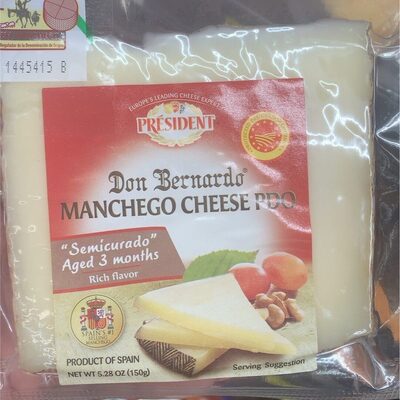 Besnier S.A.
Manchego Cheese Pdo, Manchego
High in saturated fat — 35% DV per serving
429kcal
25Protein
35.7Fat
0Carbs
Atalanta Corporation
Manchego Man, Goat Wine, Iberico Tapas Party Trio Pack Cheese, Manchego Man, Goat Wine, Iberico
High in saturated fat — 35% DV per serving
400kcal
23.3Protein
33.3Fat
0Carbs
Besnier S.A.
Manchego Cheese Pdo, Manchego
High in saturated fat — 35% DV per serving
429kcal
25Protein
35.7Fat
0Carbs
Atalanta Corporation
Manchego Man, Goat Wine, Iberico Tapas Party Trio Pack Cheese, Manchego Man, Goat Wine, Iberico
High in saturated fat — 35% DV per serving
400kcal
23.3Protein
33.3Fat
0Carbs