And Vitamin E
This entry is a label phrase. See the main ingredient page: Vitamin E.
What is And Vitamin E?
Vitamin E is a group of compounds that include tocopherols and tocotrienols. It is fat-soluble, meaning the body absorbs it with fat. Vitamin E is found naturally in many foods, including nuts, seeds, vegetable oils, and green leafy vegetables.
Is And Vitamin E a major allergen?
Vitamin E itself is not one of the nine major allergens.
What is And Vitamin E used for?
Vitamin E is added to foods as an antioxidant to prevent fats and oils from becoming rancid, which helps extend shelf life.
Is And Vitamin E safe?
In the U.S., Vitamin E is generally recognized as safe (GRAS) by the FDA when used as a nutrient or antioxidant.
Why it's used
Vitamin E is added to foods as an antioxidant to prevent fats and oils from becoming rancid, which helps extend shelf life. It is often found in processed foods like baked goods, cereals, and snack foods, as well as in some beverages and dietary supplements.
Health notes
In the U.S., Vitamin E is generally recognized as safe (GRAS) by the FDA when used as a nutrient or antioxidant. The National Academies of Sciences, Engineering, and Medicine have established a tolerable upper intake level (UL) for supplemental Vitamin E. The World Health Organization (WHO) and the European Food Safety Authority (EFSA) have also evaluated Vitamin E, recognizing its role as an essential nutrient and antioxidant. High doses from supplements, not typically from food, have been studied for various health effects, with mixed results.
Allergen info
Vitamin E itself is not one of the nine major allergens. However, some forms of Vitamin E are derived from soy or wheat, which are major allergens. Check product labels for specific sourcing if allergies are a concern.
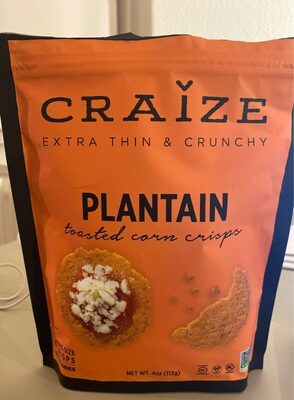
Foods that contain And Vitamin E
Compare products →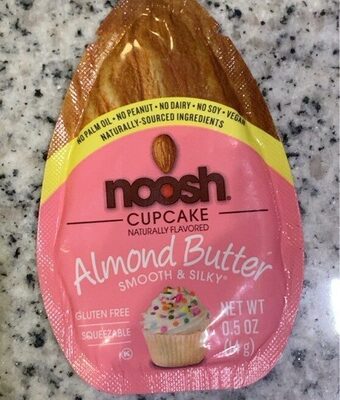
Learn more
Auto-generated content. This description was generated automatically and is pending editorial review. Inaccuracies are possible. Found a mistake? Contact us.