Apricot Kernels
What is Apricot Kernels?
Apricot kernels are the seeds found inside the pit of apricots. They are often bitter and contain a compound called amygdalin. After harvesting, the kernels are typically dried and may be processed further.
Is Apricot Kernels vegan?
Apricot Kernels is not animal-derived. Products that contain it can still include other animal-derived ingredients, so check the full ingredient list.
Is Apricot Kernels a major allergen?
Apricot kernels are not one of the nine major allergens identified by the FDA.
What is Apricot Kernels used for?
Apricot kernels are primarily used for their distinct flavor, which is similar to almonds.
Is Apricot Kernels safe?
Apricot kernels contain amygdalin, which the body can convert to cyanide.
Why it's used
Apricot kernels are primarily used for their distinct flavor, which is similar to almonds. They are often found in baked goods like cookies, cakes, and amaretti, where they contribute a unique taste and aroma. They can also be used to make liqueurs.
Health notes
Apricot kernels contain amygdalin, which the body can convert to cyanide. For this reason, the FDA advises against consuming apricot kernels due to the risk of cyanide poisoning. While some alternative health proponents suggest benefits, scientific evidence supporting these claims is lacking. Regulatory bodies like EFSA have also addressed concerns regarding the safety of apricot kernel consumption.
Allergen info
Apricot kernels are not one of the nine major allergens identified by the FDA. They are not related to tree nuts, although they come from a fruit.
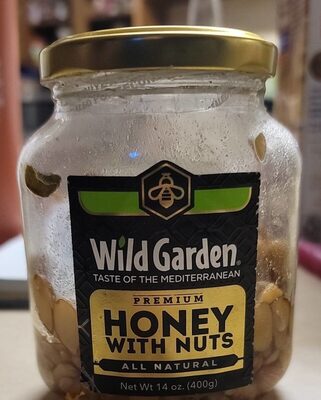
Foods that contain Apricot Kernels
Compare products →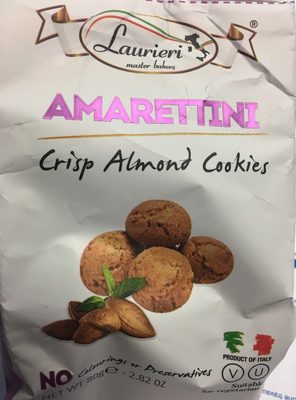







Auto-generated content. This description was generated automatically and is pending editorial review. Inaccuracies are possible. Found a mistake? Contact us.