Beef Liver
What is Beef Liver?
Beef liver is the liver of a cow, a nutrient-rich organ meat. It is typically cooked and processed into various food products. It is a good source of protein, iron, and vitamin A.
Is Beef Liver vegan?
No. Beef Liver is animal-derived, so it is not vegan.
Is Beef Liver gluten-free?
It does not contain gluten.
Is Beef Liver a major allergen?
Beef liver is not one of the nine FDA major allergens.
What is Beef Liver used for?
Beef liver is used as a food ingredient, often in pâtés, spreads, and processed meat products.
Is Beef Liver safe?
Beef liver is a natural food product and is not subject to FDA additive regulations.
Why it's used
Beef liver is used as a food ingredient, often in pâtés, spreads, and processed meat products. It adds a distinct flavor and nutritional value to these foods. It is also sometimes used in pet food.
Health notes
Beef liver is a natural food product and is not subject to FDA additive regulations. It is a very nutrient-dense food, particularly high in vitamin A. Consuming very large amounts of liver can lead to vitamin A toxicity, but this is unlikely from typical food consumption. JECFA and EFSA have evaluated liver as a food, but have not set specific intake limits for it as an ingredient.
Allergen info
Beef liver is not one of the nine FDA major allergens. It does not contain gluten.
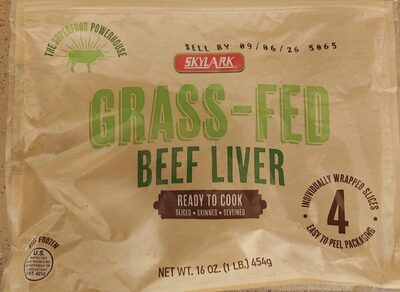
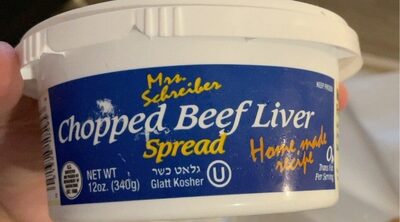
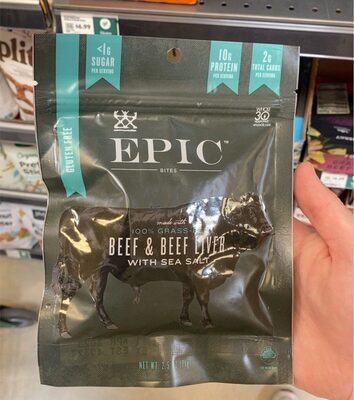
Foods that contain Beef Liver
Compare products →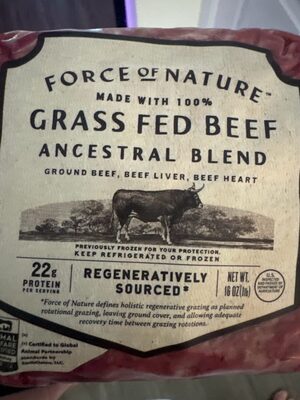
Learn more
Auto-generated content. This description was generated automatically and is pending editorial review. Inaccuracies are possible. Found a mistake? Contact us.