Blackeyed Peas
What is Blackeyed Peas?
Blackeyed peas are a type of cowpea, a legume native to Africa. They are typically small, oval-shaped, and have a characteristic black ring around a creamy white or yellowish center. They are often dried for storage and used in a wide variety of dishes.
Is Blackeyed Peas vegan?
Blackeyed Peas is not animal-derived. Products that contain it can still include other animal-derived ingredients, so check the full ingredient list.
Is Blackeyed Peas gluten-free?
They do not contain gluten.
Is Blackeyed Peas a major allergen?
Blackeyed peas are not one of the nine major allergens identified by the FDA.
What is Blackeyed Peas used for?
Blackeyed peas are a versatile ingredient used in both sweet and savory dishes.
Is Blackeyed Peas safe?
Blackeyed peas are a good source of protein, fiber, and various vitamins and minerals.
Why it's used
Blackeyed peas are a versatile ingredient used in both sweet and savory dishes. They can be cooked and served as a side dish, added to soups and stews, or mashed into dips and spreads. Their mild flavor and creamy texture make them a popular choice in many cuisines.
Health notes
Blackeyed peas are a good source of protein, fiber, and various vitamins and minerals. The US FDA considers them Generally Recognized As Safe (GRAS). International bodies like JECFA have evaluated cowpeas and their components. Research suggests that the fiber and protein in legumes can contribute to satiety and may play a role in managing blood sugar levels.
Allergen info
Blackeyed peas are not one of the nine major allergens identified by the FDA. They do not contain gluten.
Foods that contain Blackeyed Peas
Compare products →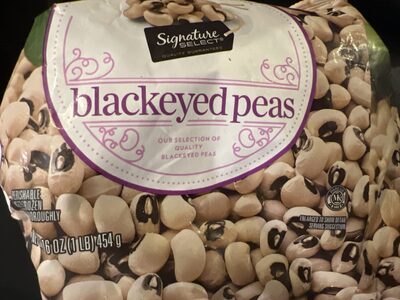
Learn more
Auto-generated content. This description was generated automatically and is pending editorial review. Inaccuracies are possible. Found a mistake? Contact us.