Coagulants
Auto-generated content. This description was generated automatically and is pending editorial review. Inaccuracies are possible. Found a mistake? Contact us.
What it is
Coagulants are substances used to help liquids thicken and solidify, forming a gel or curd. They are often derived from plant sources, such as soybeans or certain seaweeds, or from mineral salts. The process involves altering the protein structure of a liquid, causing it to clump together.
Why it's used
Coagulants are essential in food production for creating solid textures from liquids. In the dairy industry, they are used to make cheese and yogurt. For plant-based products like tofu, coagulants are used to solidify soy milk into a curd, which is then pressed into blocks.
Health notes
Coagulants used in food are generally recognized as safe (GRAS) by the FDA. Common coagulants like calcium sulfate and magnesium chloride have been evaluated by international bodies such as JECFA, which has established acceptable daily intakes. At typical consumption levels, these ingredients are not associated with adverse health effects. Evidence does not suggest significant health concerns for most consumers.
Allergen info
Coagulants themselves are not typically major allergens. However, some coagulants may be derived from soy, which is one of the FDA's major allergens. Always check product labels for specific ingredient sourcing.
Products containing Coagulants
Compare products →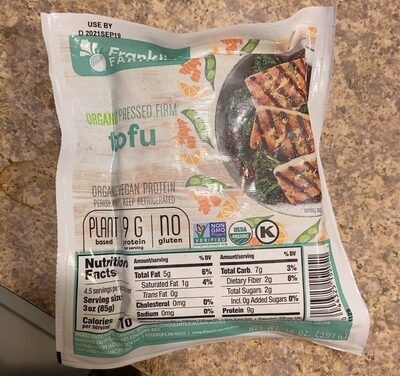 VeggieLand, LLC
Organic Pressed Firm Tofu
129kcal
10.6Protein
5.9Fat
8.2Carbs
VeggieLand, LLC
Organic Pressed Firm Tofu
129kcal
10.6Protein
5.9Fat
8.2Carbs
 VeggieLand, LLC
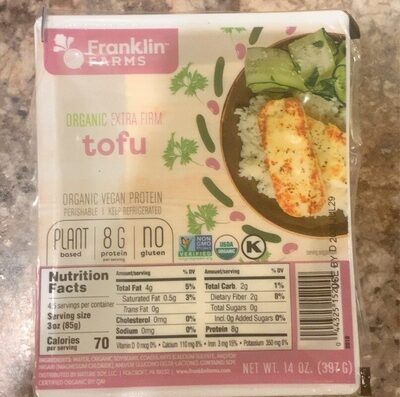
Organic Extra Firm Tofu
82kcal
9.4Protein
4.7Fat
2.4Carbs
VeggieLand, LLC
Organic Medium Firm Tofu
94kcal
8.2Protein
4.7Fat
3.5Carbs
VeggieLand, LLC
Tuscan Tomato Flavor Infused Extra Firm Fusion Tofu, Tuscan Tomato
129kcal
12.9Protein
4.7Fat
7.1Carbs
VeggieLand, LLC
Organic Extra Firm Tofu
82kcal
9.4Protein
4.7Fat
2.4Carbs
VeggieLand, LLC
Organic Medium Firm Tofu
94kcal
8.2Protein
4.7Fat
3.5Carbs
VeggieLand, LLC
Tuscan Tomato Flavor Infused Extra Firm Fusion Tofu, Tuscan Tomato
129kcal
12.9Protein
4.7Fat
7.1Carbs
 VeggieLand, LLC
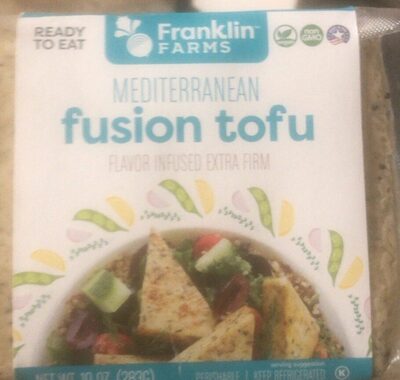
Mediterranean Flavor Infused Extra Firm Fusion Tofu, Mediterranean
129kcal
12.9Protein
5.9Fat
5.9Carbs
VeggieLand, LLC
Mediterranean Flavor Infused Extra Firm Fusion Tofu, Mediterranean
129kcal
12.9Protein
5.9Fat
5.9Carbs
 VeggieLand, LLC
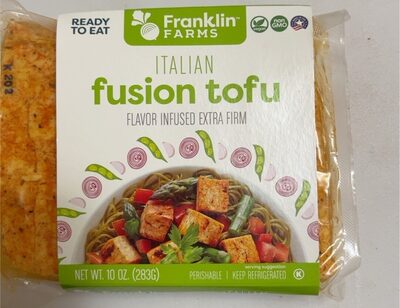
Italian Flavor Infused Extra Firm Fusion Tofu, Italian
118kcal
11.8Protein
4.7Fat
7.1Carbs
VeggieLand, LLC
Italian Flavor Infused Extra Firm Fusion Tofu, Italian
118kcal
11.8Protein
4.7Fat
7.1Carbs
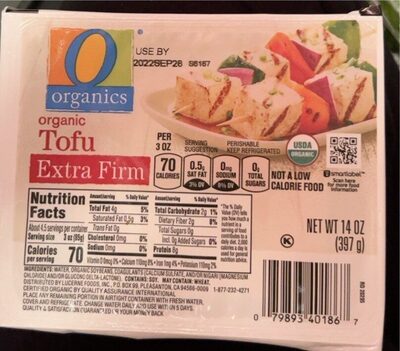 Glencourt Inc.
Extra Firm Tofu, Extra Firm
82kcal
9.4Protein
4.7Fat
2.4Carbs
Glencourt Inc.
Extra Firm Tofu, Extra Firm
82kcal
9.4Protein
4.7Fat
2.4Carbs
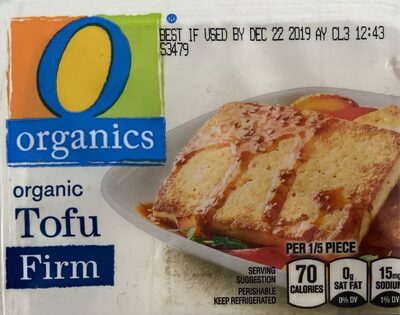 Glencourt Inc.
Firm Tofu, Firm
82kcal
8.2Protein
4.1Fat
2.4Carbs
Glencourt Inc.
Extra Firm Cubed Tofu, Extra Firm
153kcal
16.5Protein
7.1Fat
5.9Carbs
Glencourt Inc.
Super Firm Tofu, Super Firm
129kcal
10.6Protein
5.9Fat
8.2Carbs
Glencourt Inc.
Firm Tofu, Firm
82kcal
8.2Protein
4.1Fat
2.4Carbs
Glencourt Inc.
Extra Firm Cubed Tofu, Extra Firm
153kcal
16.5Protein
7.1Fat
5.9Carbs
Glencourt Inc.
Super Firm Tofu, Super Firm
129kcal
10.6Protein
5.9Fat
8.2Carbs
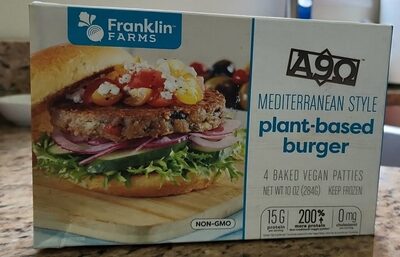 VeggieLand, LLC
Mediterranean Plant-Based Burger
254kcal
21.1Protein
14.1Fat
11.3Carbs
VeggieLand, LLC
Mediterranean Plant-Based Burger
254kcal
21.1Protein
14.1Fat
11.3Carbs