Glucono-delta-lactone
Auto-generated content. This description was generated automatically and is pending editorial review. Inaccuracies are possible. Found a mistake? Contact us.
What it is
Glucono-delta-lactone (GDL) is a naturally occurring carbohydrate derived from glucose. It is produced commercially by the oxidation of glucose to gluconic acid, followed by purification and crystallization.
Why it's used
GDL functions as an acidulant, creating a slow-release acidity in foods. It is often used in cheesemaking to help coagulate milk proteins, in baked goods as a leavening agent in combination with baking soda, and in processed meats to lower pH. It can also be found in salad dressings and sauces.
Health notes
GDL is generally recognized as safe (GRAS) by the FDA for use in food. It is metabolized by the body like other carbohydrates. International bodies like JECFA have evaluated GDL and established acceptable daily intake levels. No significant health controversies are associated with its typical use in food.
Allergen info
GDL is not derived from any of the nine FDA major allergens. It does not contain gluten.
Products containing Glucono-delta-lactone
Compare products →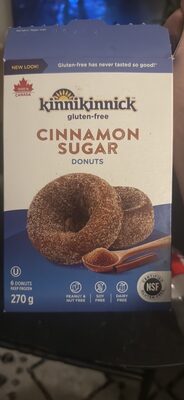 KINNIKINNICK
Donuts
400kcal
4.4Protein
15.6Fat
64.4Carbs
CHRISTIAN POTIER
Christian Potier, Peppercorn Sauce
High in saturated fat — 20% DV per serving
High in cholesterol — 22% DV per serving
140kcal
2Protein
12Fat
6Carbs
GLUTINO
Glutino, Gluten Free Bread, Cinnamon Raisin
276kcal
3.5Protein
8.6Fat
44.8Carbs
CLOVER VALLEY
Cheeseburger Macaroni Dinner
High in sodium — 35% DV per serving
344kcal
9.4Protein
3.1Fat
68.8Carbs
KINNIKINNICK
Donuts
400kcal
4.4Protein
15.6Fat
64.4Carbs
CHRISTIAN POTIER
Christian Potier, Peppercorn Sauce
High in saturated fat — 20% DV per serving
High in cholesterol — 22% DV per serving
140kcal
2Protein
12Fat
6Carbs
GLUTINO
Glutino, Gluten Free Bread, Cinnamon Raisin
276kcal
3.5Protein
8.6Fat
44.8Carbs
CLOVER VALLEY
Cheeseburger Macaroni Dinner
High in sodium — 35% DV per serving
344kcal
9.4Protein
3.1Fat
68.8Carbs