Nigari
Auto-generated content. This description was generated automatically and is pending editorial review. Inaccuracies are possible. Found a mistake? Contact us.
What it is
Nigari is the liquid byproduct of salt production, primarily from seawater. It is rich in magnesium chloride and other minerals, giving it a slightly bitter taste. It is often used as a coagulant in the production of tofu.
Why it's used
Manufacturers use nigari as a coagulant to help solidify soy milk into tofu. It can also be used to add a mineral flavor to foods. It is most commonly found in tofu products and some Japanese cuisine.
Health notes
Nigari is generally recognized as safe (GRAS) by the FDA for use in food. It is a source of magnesium, an essential mineral. The Joint FAO/WHO Expert Committee on Food Additives (JECFA) has evaluated magnesium chloride and found it safe for consumption. Evidence does not suggest adverse health effects from consuming foods containing nigari at typical levels.
Allergen info
Nigari is not derived from any of the nine FDA major allergens. It does not contain gluten.
Products containing Nigari
Compare products →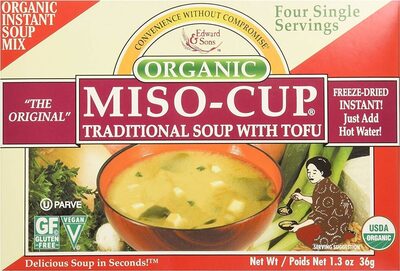 MISO-CUP
Organic Traditional Soup With Tofu
389kcal
22.2Protein
5.6Fat
55.6Carbs
Conagra Brands
HEALTHY CHOICE Vegetable Potstickers, 56 OZ
High in sodium — 23% DV per serving
115kcal
2.6Protein
1.3Fat
22.5Carbs
PACIFIC NUTRITIONAL FOODS, INC.
Nigari Authentic Japanese Tofu, Nigari
59kcal
7.1Protein
2.9Fat
2.4Carbs
MISO-CUP
Organic Traditional Soup With Tofu
389kcal
22.2Protein
5.6Fat
55.6Carbs
Conagra Brands
HEALTHY CHOICE Vegetable Potstickers, 56 OZ
High in sodium — 23% DV per serving
115kcal
2.6Protein
1.3Fat
22.5Carbs
PACIFIC NUTRITIONAL FOODS, INC.
Nigari Authentic Japanese Tofu, Nigari
59kcal
7.1Protein
2.9Fat
2.4Carbs
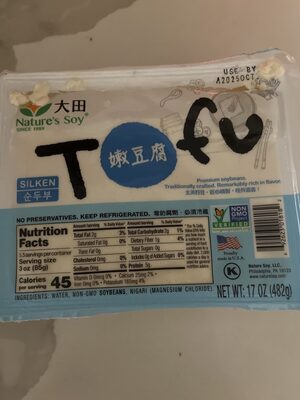 Nature Soy, LLC
Nature's Soy, Silken Tofu
66kcal
6.6Protein
3.3Fat
2.2Carbs
Pulmuone Foods USA, Inc.
Wildwood, Smoked Tofu, Hickory BBQ, Hickory BBQ
176kcal
17.6Protein
4.7Fat
16.5Carbs
Pulmuone Foods USA, Inc.
Wildwood, Sproutofu, Meatless Meatballs, Original, Original
247kcal
12.9Protein
15.3Fat
18.8Carbs
Nasoya Foods USA, LLC
Tofu
49kcal
4.4Protein
2.2Fat
1.1Carbs
Pulmuone Foods USA, Inc.
Veggie Burger, Original
200kcal
12.9Protein
14.1Fat
8.2Carbs
Nature Soy, LLC
Nature's Soy, Silken Tofu
66kcal
6.6Protein
3.3Fat
2.2Carbs
Pulmuone Foods USA, Inc.
Wildwood, Smoked Tofu, Hickory BBQ, Hickory BBQ
176kcal
17.6Protein
4.7Fat
16.5Carbs
Pulmuone Foods USA, Inc.
Wildwood, Sproutofu, Meatless Meatballs, Original, Original
247kcal
12.9Protein
15.3Fat
18.8Carbs
Nasoya Foods USA, LLC
Tofu
49kcal
4.4Protein
2.2Fat
1.1Carbs
Pulmuone Foods USA, Inc.
Veggie Burger, Original
200kcal
12.9Protein
14.1Fat
8.2Carbs
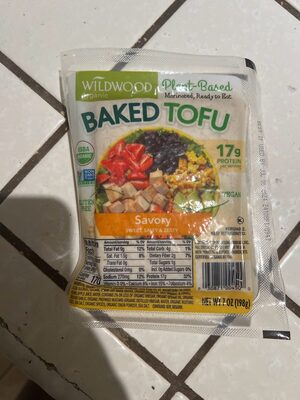 Pulmuone Foods USA, Inc.
Wildwood, Sproutofu, Organic Baked Tofu, Savory, Savory
176kcal
16.5Protein
10.6Fat
3.5Carbs
House Foods America Corporation
Soon-Tofu: Extra Soft
53kcal
5.9Protein
2.4Fat
2.4Carbs
Pulmuone Foods USA, Inc.
Wildwood, Sproutofu, Organic Baked Tofu, Savory, Savory
176kcal
16.5Protein
10.6Fat
3.5Carbs
House Foods America Corporation
Soon-Tofu: Extra Soft
53kcal
5.9Protein
2.4Fat
2.4Carbs
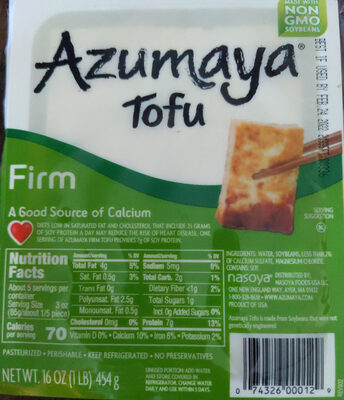 Nasoya Foods USA, LLC
Tofu
82kcal
8.2Protein
4.1Fat
2.4Carbs
Nasoya Foods USA, LLC
Tofu
82kcal
8.2Protein
4.1Fat
2.4Carbs
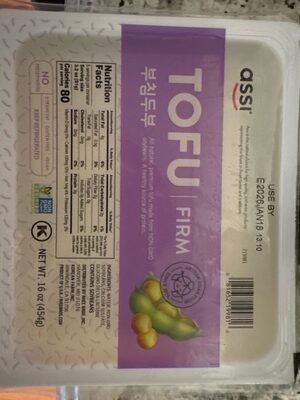 Rhee Bros. Inc.
Premium Tofu
99kcal
13.2Protein
5.5Fat
2.2Carbs
Rhee Bros. Inc.
Premium Tofu
99kcal
13.2Protein
5.5Fat
2.2Carbs