Cultures And Enzymes
What is Cultures And Enzymes?
Cultures are live microorganisms, such as bacteria or yeast, used in food production. Enzymes are proteins that act as natural catalysts, speeding up specific chemical reactions. Both are often derived from microbial fermentation or extracted from plant or animal sources.
Is Cultures And Enzymes gluten-free?
Gluten is not typically present unless the culture medium or enzyme source contains it, which would need to be declared.
Is Cultures And Enzymes a major allergen?
Cultures and enzymes are not among the 9 FDA major allergens.
What is Cultures And Enzymes used for?
Manufacturers use cultures to produce fermented foods like cheese, yogurt, and sourdough, contributing to flavor and texture.
Is Cultures And Enzymes safe?
Cultures used in foods like yogurt are generally recognized as safe (GRAS) by the FDA.
Why it's used
Manufacturers use cultures to produce fermented foods like cheese, yogurt, and sourdough, contributing to flavor and texture. Enzymes are used to improve dough handling in baking, clarify juices, or break down proteins and fats in various food processing applications.
Health notes
Cultures used in foods like yogurt are generally recognized as safe (GRAS) by the FDA. Enzymes used in food processing are also typically GRAS or approved food additives. While some specific strains of probiotics (a type of culture) are studied for potential gut health benefits, these are not typically claimed for general food cultures. International bodies like JECFA have evaluated many food enzymes and cultures.
Allergen info
Cultures and enzymes are not among the 9 FDA major allergens. Gluten is not typically present unless the culture medium or enzyme source contains it, which would need to be declared.
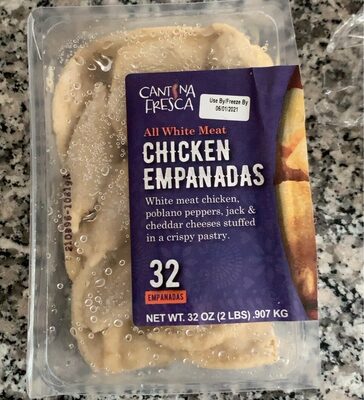
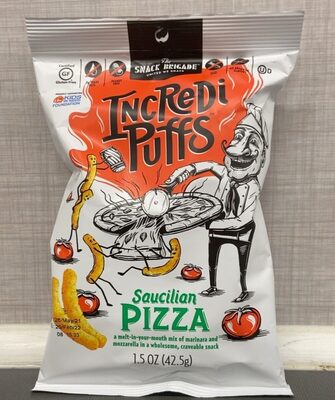
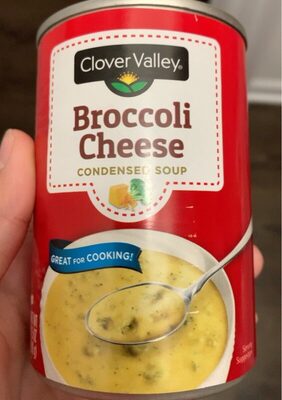
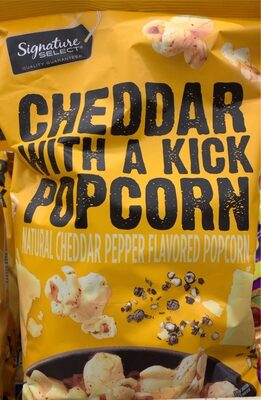
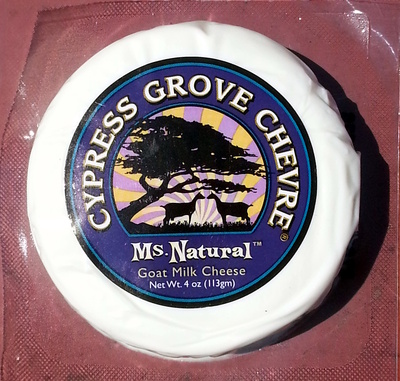
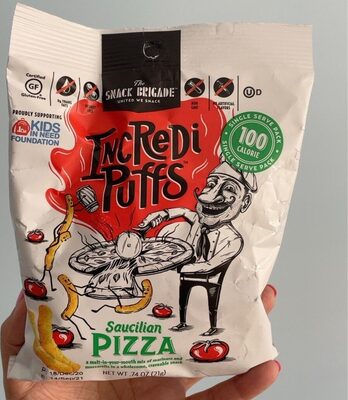
Foods that contain Cultures And Enzymes
Compare products →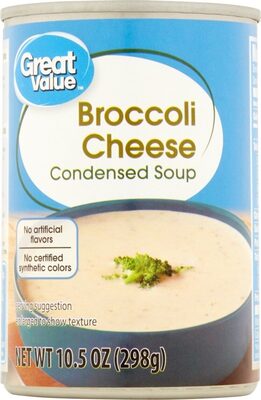
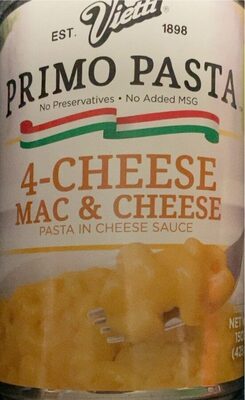
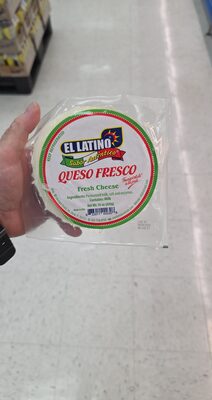
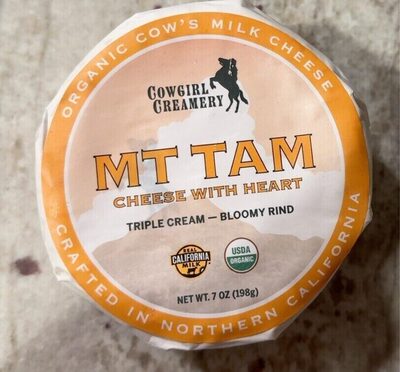
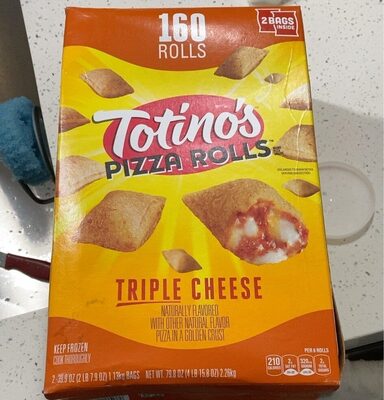
Auto-generated content. This description was generated automatically and is pending editorial review. Inaccuracies are possible. Found a mistake? Contact us.