Cure
What is Cure?
Cure refers to a mixture of salt and curing agents like sodium nitrite or sodium nitrate. These are used to preserve meats, enhance their color, and contribute to their characteristic flavor. The process of curing helps to inhibit the growth of harmful bacteria, such as Clostridium botulinum.
Is Cure a major allergen?
Cure itself is not a major allergen.
What is Cure used for?
Curing agents are added to processed meats to extend shelf life, maintain a pinkish-red color, and develop a distinct cured flavor.
Is Cure safe?
In the U.S., sodium nitrite and nitrate are approved food additives used in curing meats.
Why it's used
Curing agents are added to processed meats to extend shelf life, maintain a pinkish-red color, and develop a distinct cured flavor. They are commonly found in products like bacon, ham, sausages, hot dogs, and jerky. The curing process is essential for the safety and appeal of these meat products.
Health notes
In the U.S., sodium nitrite and nitrate are approved food additives used in curing meats. The FDA has determined them to be safe for their intended use. Concerns have been raised about the potential formation of nitrosamines, which are formed when nitrites react with amines at high temperatures. Some studies suggest a link between high consumption of processed meats and certain health risks, while others have found no significant association. JECFA and EFSA have evaluated these substances, and regulatory bodies continue to monitor scientific research.
Allergen info
Cure itself is not a major allergen. However, it is typically used in meat products, which are not among the nine major allergens.
Foods that contain Cure
Compare products →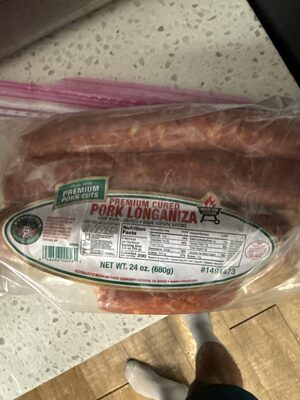
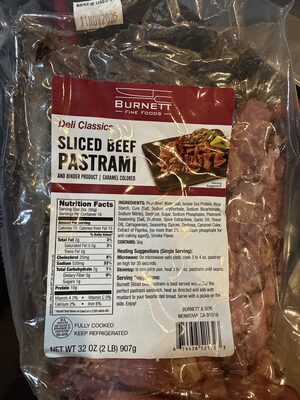
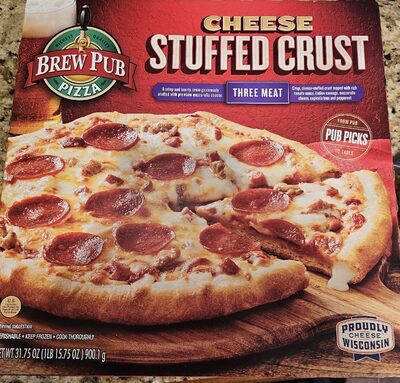
Learn more
Auto-generated content. This description was generated automatically and is pending editorial review. Inaccuracies are possible. Found a mistake? Contact us.