Cured With Water
What is Cured With Water?
Cured With Water describes a process where water is added to meat during curing. Curing is a method of preserving and flavoring meat, typically involving salt, nitrites, and sometimes other ingredients. The added water helps distribute these curing agents throughout the meat.
Is Cured With Water vegan?
Cured With Water is not animal-derived. Products that contain it can still include other animal-derived ingredients, so check the full ingredient list.
Is Cured With Water a major allergen?
Not a major allergen.
What is Cured With Water used for?
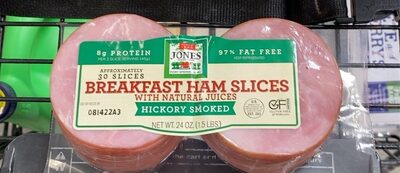
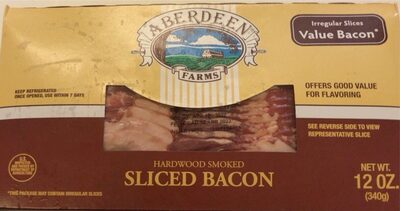
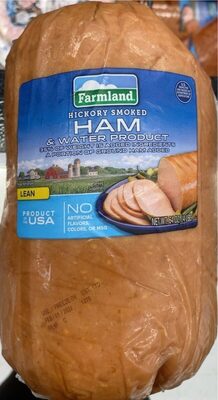
Manufacturers add water to cured meats like ham, bacon, and sausages.
Is Cured With Water safe?
Cured With Water refers to a processing method rather than a specific food additive.
Why it's used
Manufacturers add water to cured meats like ham, bacon, and sausages. This process can help make the meat juicier and more tender. It also helps in the even distribution of curing ingredients.
Health notes
Cured With Water refers to a processing method rather than a specific food additive. Water itself is essential for life and generally recognized as safe. The FDA regulates the overall composition and labeling of cured meat products, including how much water can be added and how it must be declared on the label. The health implications of cured meats are generally related to their sodium content and the presence of nitrites, not the added water itself. There are no specific evaluations by JECFA or EFSA for 'Cured With Water' as an ingredient.
Allergen info
Not a major allergen.
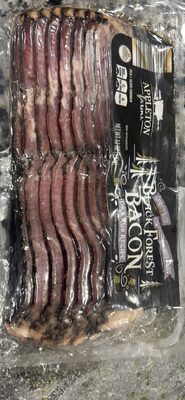
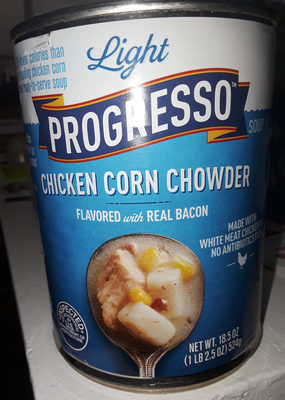
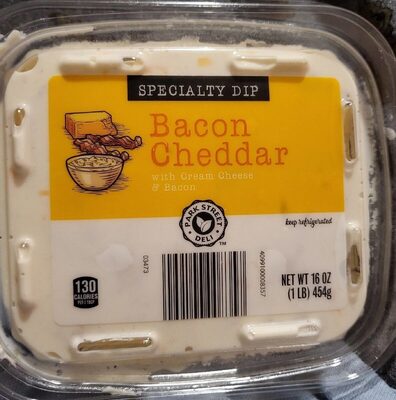
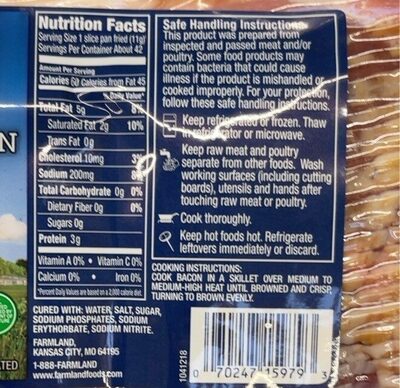
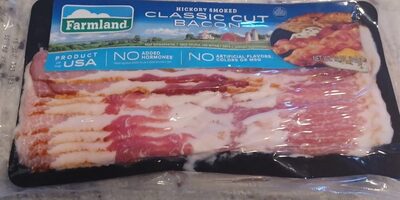
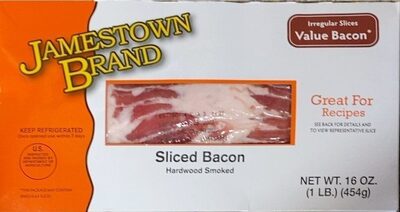
Foods that contain Cured With Water
Compare products →
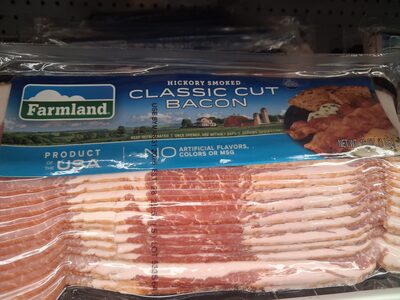
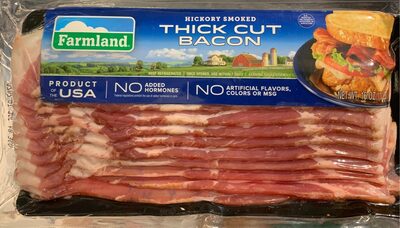
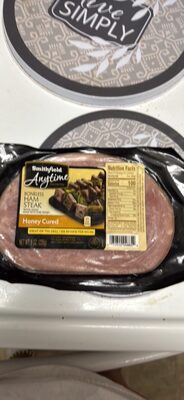

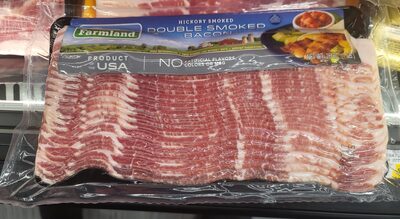
Auto-generated content. This description was generated automatically and is pending editorial review. Inaccuracies are possible. Found a mistake? Contact us.