Dark Turkey
What is Dark Turkey?
Dark turkey is a type of meat from turkeys. It refers to the darker muscle tissue found in the legs and thighs of the bird, which has a richer flavor and firmer texture than the lighter breast meat. It is typically cooked and processed for use in various food products.
Is Dark Turkey vegan?
No. Dark Turkey is animal-derived, so it is not vegan.
Is Dark Turkey gluten-free?
It does not contain gluten.
Is Dark Turkey a major allergen?
Dark turkey is not one of the nine major allergens recognized by the FDA.
What is Dark Turkey used for?
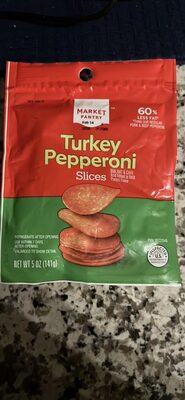
Manufacturers use dark turkey as a protein source in processed meats like pepperoni, salami, and sausages.
Is Dark Turkey safe?
Dark turkey is a source of protein and various nutrients.
Why it's used
Manufacturers use dark turkey as a protein source in processed meats like pepperoni, salami, and sausages. Its savory flavor and texture make it a popular alternative to darker meats in deli slices, ready-made meals, and other convenience foods.
Health notes
Dark turkey is a source of protein and various nutrients. The U.S. Food and Drug Administration (FDA) considers it a standard food ingredient. International bodies like the Joint FAO/WHO Expert Committee on Food Additives (JECFA) and the European Food Safety Authority (EFSA) evaluate food ingredients, but their evaluations typically focus on additives rather than whole foods like dark turkey.
Allergen info
Dark turkey is not one of the nine major allergens recognized by the FDA. It does not contain gluten.
Foods that contain Dark Turkey
Compare products →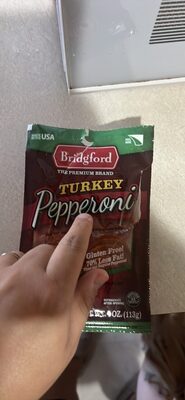
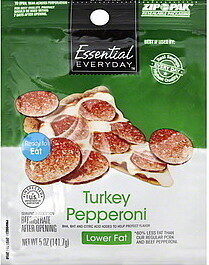
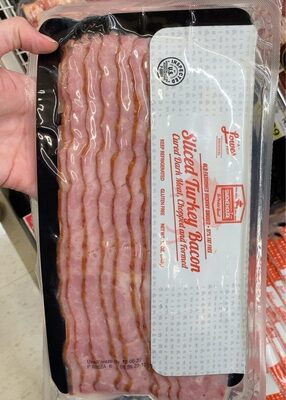
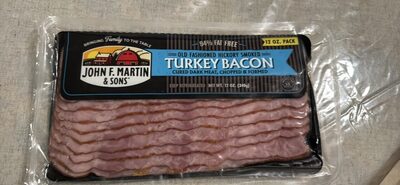

Learn more
Auto-generated content. This description was generated automatically and is pending editorial review. Inaccuracies are possible. Found a mistake? Contact us.