Diphosphates
What is Diphosphates?
Diphosphates are salts of pyrophosphoric acid, a compound made from phosphorus and oxygen. They are often produced industrially by heating other phosphate salts. Diphosphates are commonly found in powder form and can be white or colorless.
Is Diphosphates vegan?
Diphosphates is not animal-derived. Products that contain it can still include other animal-derived ingredients, so check the full ingredient list.
Is Diphosphates gluten-free?
Diphosphates are not derived from any of the 9 major FDA allergens and do not contain gluten.
What is Diphosphates used for?
Manufacturers use diphosphates as leavening agents in baked goods, helping them to rise and become fluffy.
Is Diphosphates safe?
In the U.S., diphosphates are generally recognized as safe (GRAS) by the FDA when used as intended.
Why it's used
Manufacturers use diphosphates as leavening agents in baked goods, helping them to rise and become fluffy. They also act as emulsifiers, helping to blend ingredients like oil and water, and can improve texture and moisture retention in processed foods such as puddings and pasta.
Health notes
In the U.S., diphosphates are generally recognized as safe (GRAS) by the FDA when used as intended. International bodies like JECFA and EFSA have evaluated diphosphates, and they are permitted for use in many countries. While high intake of phosphates from all sources can be a concern for individuals with kidney problems, typical dietary intake from food additives is not considered harmful for the general population.
Allergen info
Diphosphates are not derived from any of the 9 major FDA allergens and do not contain gluten.
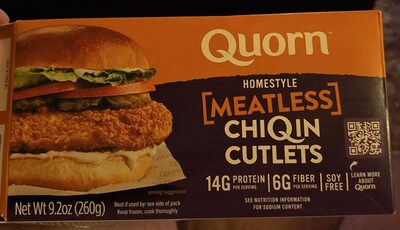
Foods that contain Diphosphates
Compare products →








Auto-generated content. This description was generated automatically and is pending editorial review. Inaccuracies are possible. Found a mistake? Contact us.