Dried Butter
What is Dried Butter?
Dried butter is butter that has had most of its water removed. It is made by dehydrating butter, often through spray-drying or freeze-drying. This process concentrates the butterfat and milk solids, creating a shelf-stable powder.
Is Dried Butter vegan?
No. Dried Butter is animal-derived, so it is not vegan.
Is Dried Butter gluten-free?
It does not contain gluten.
Is Dried Butter a major allergen?
Dried butter is derived from milk, which is one of the 9 FDA major allergens.
What is Dried Butter used for?
Manufacturers add dried butter as a source of butter flavor and fat in dry mixes and processed foods.
Is Dried Butter safe?
Dried butter is generally recognized as safe (GRAS) by the FDA when used as a food ingredient.
Why it's used
Manufacturers add dried butter as a source of butter flavor and fat in dry mixes and processed foods. It is used in products like macaroni and cheese mixes, baked goods, snack seasonings, and soups where adding liquid butter would be impractical. It provides richness and a characteristic buttery taste.
Health notes
Dried butter is generally recognized as safe (GRAS) by the FDA when used as a food ingredient. It is primarily composed of milk fat, which is a source of saturated fat. While excessive intake of saturated fat is linked to increased risk of heart disease, typical consumption levels in food products are not considered a health concern by regulatory bodies. JECFA and EFSA have evaluated butter and its components.
Allergen info
Dried butter is derived from milk, which is one of the 9 FDA major allergens. It does not contain gluten.
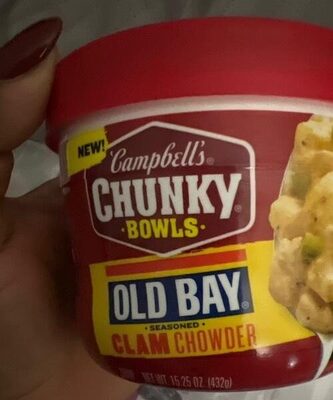
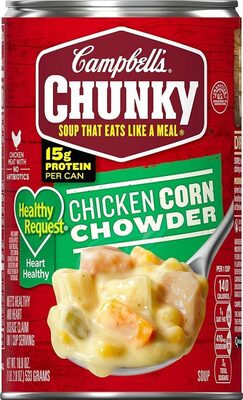
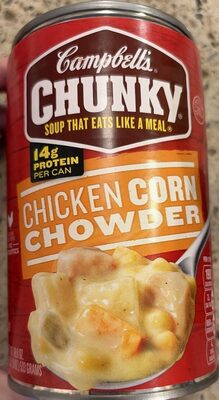
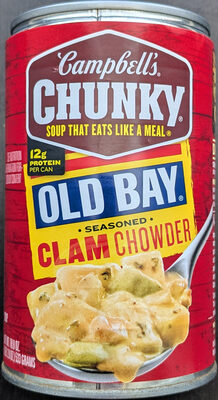
Foods that contain Dried Butter
Compare products →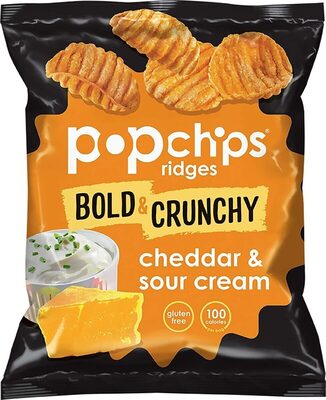
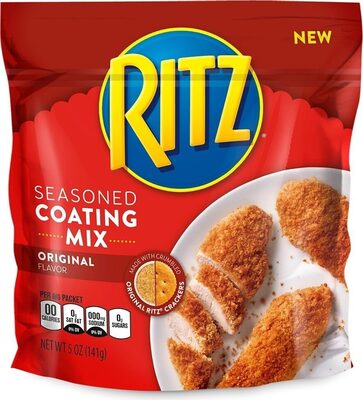
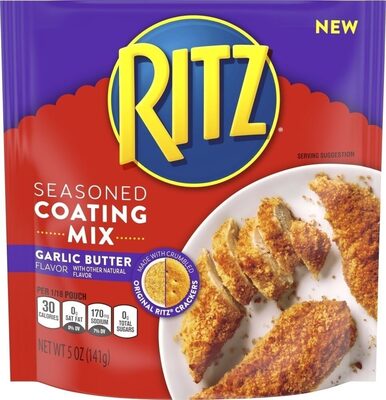 RITZ
Garlic Butter Flavor Seasoned Coating Mix, Garlic; Butter
375kcal
12.5Protein
12.5Fat
62.5Carbs
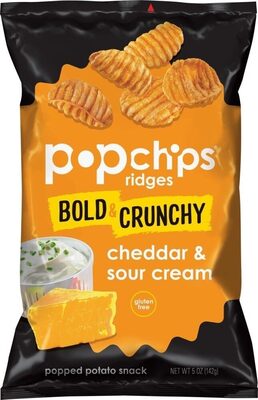
Learn more
Auto-generated content. This description was generated automatically and is pending editorial review. Inaccuracies are possible. Found a mistake? Contact us.