Dry Milk Powder
What is Dry Milk Powder?
Dry milk powder, also known as milk powder, is a dairy product made by evaporating milk. The process removes most of the water from milk, leaving behind a powder. It can be made from skim, low-fat, or whole milk.
Is Dry Milk Powder vegan?
No. Dry Milk Powder is animal-derived, so it is not vegan.
Is Dry Milk Powder a major allergen?
Milk is one of the 9 FDA major allergens.
What is Dry Milk Powder used for?
Manufacturers add dry milk powder to foods to provide a milky flavor and texture, and to add protein and calcium.
Is Dry Milk Powder safe?
Dry milk powder is generally recognized as safe (GRAS) by the FDA.
Why it's used
Manufacturers add dry milk powder to foods to provide a milky flavor and texture, and to add protein and calcium. It is often used in baked goods like cakes and cupcakes, as well as in processed meats like sausages and hot dogs. It can also be found in confectionery and infant formulas.
Health notes
Dry milk powder is generally recognized as safe (GRAS) by the FDA. It is a source of protein, calcium, and vitamin D (if fortified). Regulatory bodies like JECFA and EFSA have evaluated milk products. For most people, consuming typical amounts of dry milk powder as part of a balanced diet does not pose health risks. However, individuals with lactose intolerance or milk allergies should avoid it.
Allergen info
Milk is one of the 9 FDA major allergens. Dry milk powder is derived from milk and therefore contains a major allergen.
Foods that contain Dry Milk Powder
Compare products →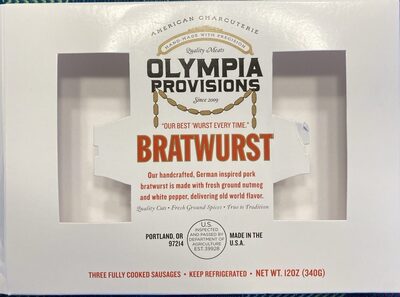
Learn more
Auto-generated content. This description was generated automatically and is pending editorial review. Inaccuracies are possible. Found a mistake? Contact us.