E322
What is E322?
Lecithin is a type of fat that occurs naturally in many foods, including soybeans, sunflower seeds, and egg yolks. It is typically produced commercially by extracting it from soybean oil or sunflower oil. Lecithin acts as an emulsifier, helping to mix oil and water together.
Is E322 a major allergen?
Soy lecithin is derived from soy, which is one of the nine FDA major allergens.
What is E322 used for?
Manufacturers add lecithin to foods as an emulsifier, stabilizer, and thickening agent.
Is E322 safe?
Lecithin is generally recognized as safe (GRAS) by the U.S. Food and Drug Administration (FDA) for use in food.
Why it's used
Manufacturers add lecithin to foods as an emulsifier, stabilizer, and thickening agent. It helps prevent ingredients from separating, creates a smoother texture, and improves shelf life. You can find it in a wide variety of products, including baked goods, chocolate, margarine, and processed meats.
Health notes
Lecithin is generally recognized as safe (GRAS) by the U.S. Food and Drug Administration (FDA) for use in food. International bodies like the European Food Safety Authority (EFSA) and the Joint FAO/WHO Expert Committee on Food Additives (JECFA) have also evaluated lecithin and found it to be safe. It is a common component of cell membranes and is involved in fat metabolism, and at typical dietary levels, it is not associated with adverse health effects.
Allergen info
Soy lecithin is derived from soy, which is one of the nine FDA major allergens. If derived from soy, it must be declared on the ingredient label. Lecithin from other sources like sunflower is not a major allergen.
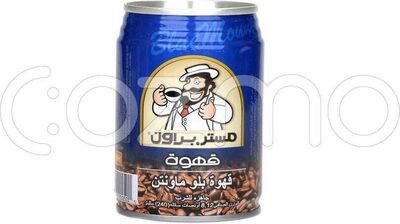
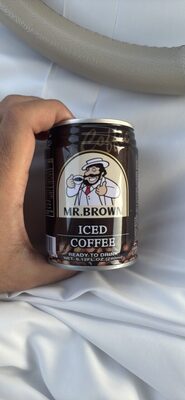
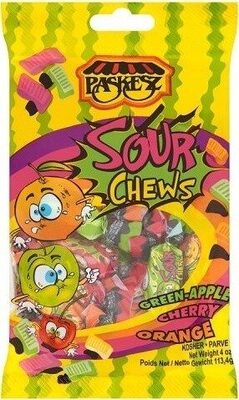
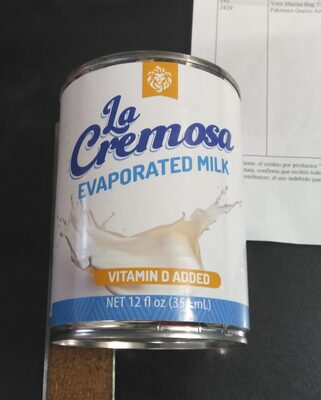
Foods that contain E322
Compare products →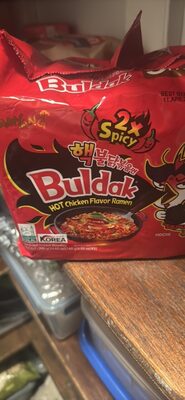
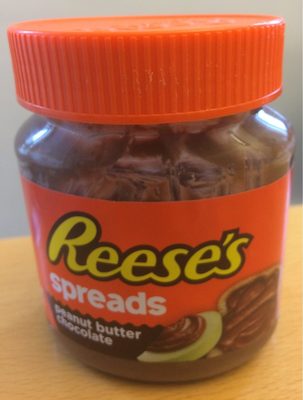

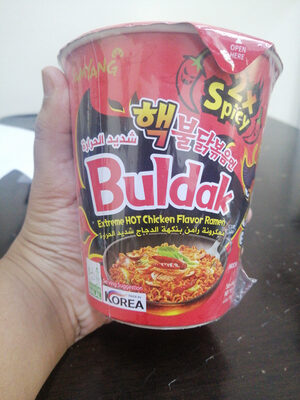
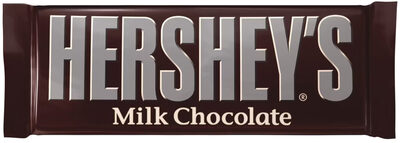
Learn more
Auto-generated content. This description was generated automatically and is pending editorial review. Inaccuracies are possible. Found a mistake? Contact us.