Enriched Gluten-free Blend
Auto-generated content. This description was generated automatically and is pending editorial review. Inaccuracies are possible. Found a mistake? Contact us.
What it is
An enriched gluten-free blend is a mixture of gluten-free flours and starches, often including rice flour, tapioca starch, potato starch, and corn starch. Enrichment means that certain vitamins and minerals, such as B vitamins (folate, niacin, thiamin, riboflavin) and iron, have been added back after processing. This blend is designed to mimic the texture and baking properties of traditional wheat flour for gluten-free products.
Why it's used
Manufacturers use enriched gluten-free blends to create baked goods and other products that are safe for individuals with celiac disease or gluten sensitivity. The added nutrients help to compensate for those potentially lost when gluten-containing grains are removed. It is commonly found in gluten-free breads, muffins, pastries, and pasta.
Health notes
Enriched gluten-free blends are generally recognized as safe (GRAS) by the FDA when used as intended. The added vitamins and minerals contribute to the nutritional profile of gluten-free foods. International bodies like JECFA have evaluated many of the individual components and nutrients added during enrichment. Evidence does not suggest adverse health effects from typical consumption of these enriched blends.
Allergen info
This blend is specifically designed to be gluten-free and therefore does not contain wheat, a major allergen. It is not derived from any of the other major allergens unless specifically stated on the product label (e.g., if soy or dairy derivatives are used in the enrichment process).
Products containing Enriched Gluten-free Blend
Compare products →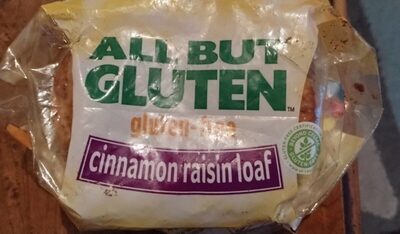 Maplehurst Bakeries, LLC
Cinnamon Raisin Loaf, Cinnamon Raisin
267kcal
4.4Protein
4.4Fat
55.6Carbs
Maplehurst Bakeries, LLC
Cinnamon Raisin Loaf, Cinnamon Raisin
267kcal
4.4Protein
4.4Fat
55.6Carbs