Extractive Of Rice
What is Extractive Of Rice?
Extractive of rice, also known as rice extract, is a substance derived from rice. It is typically produced by extracting soluble components from rice grains using water or other solvents, followed by concentration and drying.
Is Extractive Of Rice vegan?
Extractive Of Rice is not animal-derived. Products that contain it can still include other animal-derived ingredients, so check the full ingredient list.
Is Extractive Of Rice gluten-free?
It does not contain gluten.
Is Extractive Of Rice a major allergen?
Rice is not one of the nine major food allergens identified by the FDA.
What is Extractive Of Rice used for?
Rice extract is used in food products as a stabilizer, emulsifier, or thickener.
Is Extractive Of Rice safe?
In the US, rice extract is generally recognized as safe (GRAS) by the FDA when used as intended.
Why it's used
Rice extract is used in food products as a stabilizer, emulsifier, or thickener. It can help improve the texture and consistency of various foods, and is often found in processed fruits and vegetables, such as pickles and relishes, as well as prepared meals like salads and wraps.
Health notes
In the US, rice extract is generally recognized as safe (GRAS) by the FDA when used as intended. Regulatory bodies like the Joint FAO/WHO Expert Committee on Food Additives (JECFA) and the European Food Safety Authority (EFSA) have evaluated similar rice-derived ingredients. Evidence does not suggest adverse health effects at typical consumption levels.
Allergen info
Rice is not one of the nine major food allergens identified by the FDA. It does not contain gluten.
Foods that contain Extractive Of Rice
Compare products →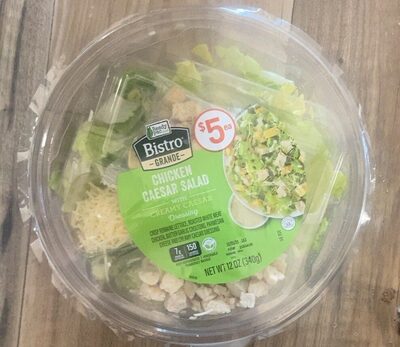
Auto-generated content. This description was generated automatically and is pending editorial review. Inaccuracies are possible. Found a mistake? Contact us.