Farm-raised Tilapia
Auto-generated content. This description was generated automatically and is pending editorial review. Inaccuracies are possible. Found a mistake? Contact us.
What it is
Tilapia is a freshwater fish native to Africa and the Middle East. It is now farmed globally, particularly in Asia and Latin America. Farm-raised tilapia is typically processed into fillets for consumer sale.
Why it's used
Tilapia is primarily used as a source of protein in packaged foods. Its mild flavor and flaky texture make it versatile for dishes like frozen fish sticks, fish tacos, and prepared seafood meals. It is often found in the frozen fish and seafood section of grocery stores.
Health notes
Tilapia is a good source of protein and omega-3 fatty acids. The FDA considers it safe for consumption. International bodies like JECFA have evaluated tilapia. Some studies have raised questions about the omega-3 to omega-6 fatty acid ratio in farm-raised fish compared to wild-caught fish, but the overall health impact at typical consumption levels is considered neutral.
Allergen info
Tilapia is a fish, which is one of the 9 FDA major allergens. It does not contain gluten.
Products containing Farm-raised Tilapia
Compare products →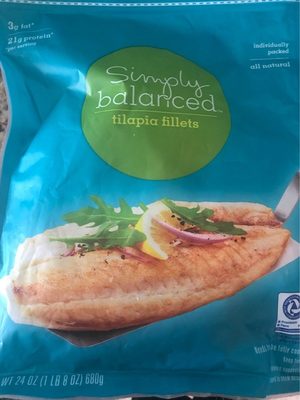 Target Stores
Tilapia Fillets
97kcal
18.6Protein
2.6Fat
0Carbs
Target Stores
Tilapia Fillets
97kcal
18.6Protein
2.6Fat
0Carbs
Target Stores
Tilapia Fillets
97kcal
18.6Protein
2.6Fat
0Carbs
Target Stores
Tilapia Fillets
97kcal
18.6Protein
2.6Fat
0Carbs