Flour Treatment Agent
Auto-generated content. This description was generated automatically and is pending editorial review. Inaccuracies are possible. Found a mistake? Contact us.
What it is
Flour treatment agents are substances added to flour to improve its baking quality. They can be derived from natural sources like minerals or synthesized. These agents help dough rise better and create a more consistent texture in baked goods.
Why it's used
Manufacturers add flour treatment agents to improve dough handling and the final texture of baked goods. They help dough become more elastic and stable, leading to a better rise and a lighter crumb. Common foods include bread, crackers, cookies, and other baked products.
Health notes
In the U.S., many flour treatment agents are Generally Recognized As Safe (GRAS) by the FDA, or approved as food additives. Regulatory bodies like the Joint FAO/WHO Expert Committee on Food Additives (JECFA) and the European Food Safety Authority (EFSA) have evaluated many of these substances. Generally, they are considered safe when consumed at typical levels found in food. Some older agents have been replaced by newer ones due to evolving safety standards.
Allergen info
Flour treatment agents themselves are not typically major allergens. However, if derived from wheat or other sources that contain allergens, cross-contamination is a possibility. Gluten is not typically associated with flour treatment agents unless they are derived from wheat.
Products containing Flour Treatment Agent
Compare products →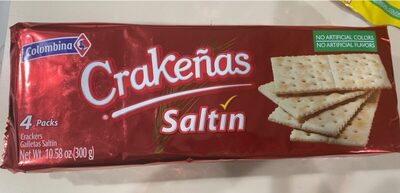 COLOMBINA
Crackers
440kcal
8Protein
8Fat
80Carbs
Karabetian Import & Export
Rusk Toast, Rye, Sesame Seeds
393kcal
10.7Protein
7.1Fat
67.9Carbs
JFC International Inc.
Biscuits, Butter
High in saturated fat — 20% DV per serving
514kcal
8.1Protein
24.3Fat
64.9Carbs
JFC International Inc.
Seaweed Flavored Biscuits
High in saturated fat — 20% DV per serving
514kcal
8.1Protein
24.3Fat
64.9Carbs
United Natural Foods, Inc.
Savory Snack Cracker, Garlic & Herb, Garlic & Herb
467kcal
6.7Protein
20Fat
60Carbs
United Natural Foods, Inc.
Savory Hearty Tomato Snack Cracker, Hearty Tomato, Hearty Tomato
467kcal
6.7Protein
23.3Fat
60Carbs
Allied International Corp. Of Va
Original Toast Regulier
407kcal
11.1Protein
7.4Fat
74.1Carbs
Think Food Products LLC
Jose Andres, Rustic Catalan Toast
367kcal
0Protein
0Fat
80Carbs
Karabetian Import & Export
White Rusk Toast
393kcal
10.7Protein
7.1Fat
71.4Carbs
COLOMBINA
Crackers
440kcal
8Protein
8Fat
80Carbs
Karabetian Import & Export
Rusk Toast, Rye, Sesame Seeds
393kcal
10.7Protein
7.1Fat
67.9Carbs
JFC International Inc.
Biscuits, Butter
High in saturated fat — 20% DV per serving
514kcal
8.1Protein
24.3Fat
64.9Carbs
JFC International Inc.
Seaweed Flavored Biscuits
High in saturated fat — 20% DV per serving
514kcal
8.1Protein
24.3Fat
64.9Carbs
United Natural Foods, Inc.
Savory Snack Cracker, Garlic & Herb, Garlic & Herb
467kcal
6.7Protein
20Fat
60Carbs
United Natural Foods, Inc.
Savory Hearty Tomato Snack Cracker, Hearty Tomato, Hearty Tomato
467kcal
6.7Protein
23.3Fat
60Carbs
Allied International Corp. Of Va
Original Toast Regulier
407kcal
11.1Protein
7.4Fat
74.1Carbs
Think Food Products LLC
Jose Andres, Rustic Catalan Toast
367kcal
0Protein
0Fat
80Carbs
Karabetian Import & Export
White Rusk Toast
393kcal
10.7Protein
7.1Fat
71.4Carbs