Fontal Cheese
What is Fontal Cheese?
Fontal is a semi-soft, cow's milk cheese that originated in Italy. It is made using a process similar to other Italian cheeses, where the milk is curdled, the curds are cut and cooked, and then pressed into wheels. The cheese is then aged for a short period, giving it a mild, slightly sweet flavor.
Is Fontal Cheese vegan?
No. Fontal Cheese is animal-derived, so it is not vegan.
Is Fontal Cheese gluten-free?
It does not contain gluten.
Is Fontal Cheese a major allergen?
Fontal cheese is derived from milk, which is one of the 9 FDA major allergens.
What is Fontal Cheese used for?
Fontal cheese is often used as a table cheese due to its mild flavor and smooth texture, making it melt well.
Is Fontal Cheese safe?
Fontal cheese is a dairy product and a source of protein and calcium.
Why it's used
Fontal cheese is often used as a table cheese due to its mild flavor and smooth texture, making it melt well. It is commonly found in pizzas, pasta dishes, and other baked goods where a creamy, cheesy flavor is desired. Manufacturers use it to add a rich, savory taste and a creamy texture to a variety of food products.
Health notes
Fontal cheese is a dairy product and a source of protein and calcium. The FDA does not specifically regulate Fontal cheese as an additive. As with most cheeses, it contains saturated fat and sodium. Consumers concerned about these components should consider them as part of their overall dietary intake. No specific evaluations by JECFA or EFSA for Fontal cheese as a distinct ingredient are noted.
Allergen info
Fontal cheese is derived from milk, which is one of the 9 FDA major allergens. It does not contain gluten.
Foods that contain Fontal Cheese
Compare products →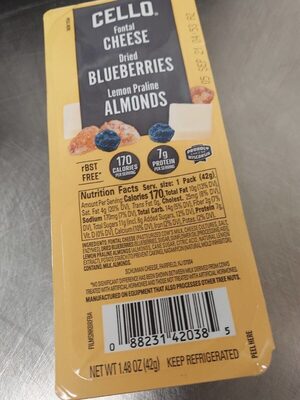
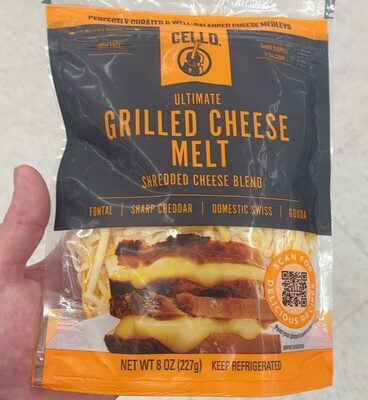
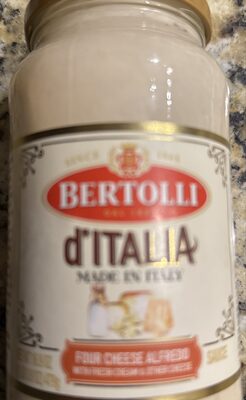
Learn more
Auto-generated content. This description was generated automatically and is pending editorial review. Inaccuracies are possible. Found a mistake? Contact us.