Fontina Cheese
What is Fontina Cheese?
Fontina is a semi-soft Italian cow's milk cheese that originated in the Aosta Valley region of Italy. It is typically aged for at least 3 months, developing a rich, buttery, and slightly nutty flavor. The texture becomes firmer and the flavor more pronounced with age.
Is Fontina Cheese vegan?
No. Fontina Cheese is animal-derived, so it is not vegan.
Is Fontina Cheese gluten-free?
It does not contain gluten.
Is Fontina Cheese a major allergen?
Fontina cheese is derived from cow's milk, which is one of the 9 FDA major allergens.
What is Fontina Cheese used for?
Fontina cheese is often used as a melting cheese due to its smooth and creamy texture when heated.
Is Fontina Cheese safe?
Fontina cheese is a natural food ingredient and does not have a specific regulatory status as an additive in the US.
Why it's used
Fontina cheese is often used as a melting cheese due to its smooth and creamy texture when heated. It is a popular ingredient in pizzas, pasta dishes, gratins, and fondues. Its mild yet distinct flavor also makes it suitable for cheese boards and sandwiches.
Health notes
Fontina cheese is a natural food ingredient and does not have a specific regulatory status as an additive in the US. It is a source of protein, calcium, and vitamin B12. Like other dairy products, it contains saturated fat and cholesterol. Regulatory bodies like EFSA have evaluated cheese as a food category, but not Fontina specifically as an additive.
Allergen info
Fontina cheese is derived from cow's milk, which is one of the 9 FDA major allergens. It does not contain gluten.
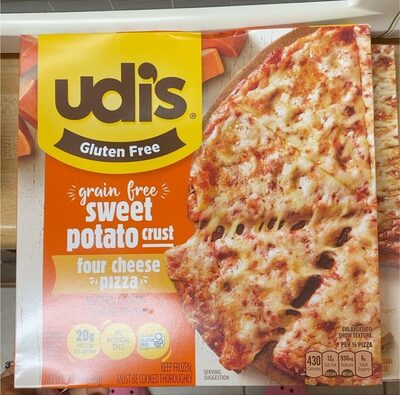
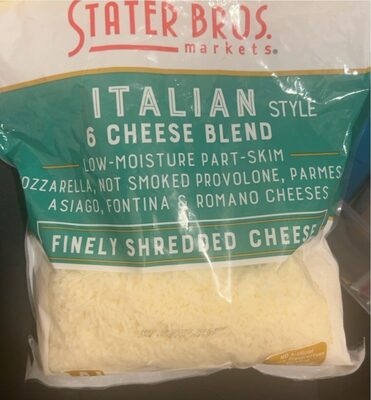
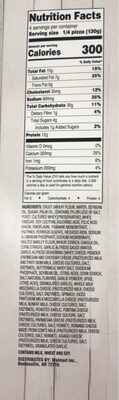
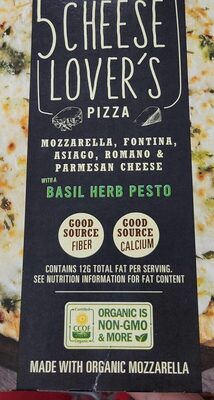
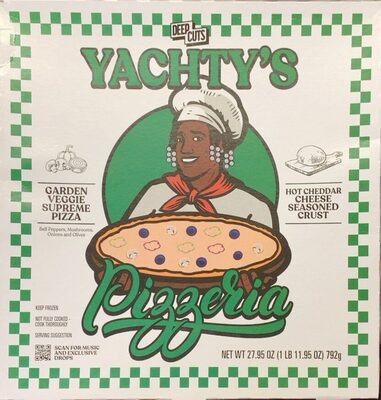
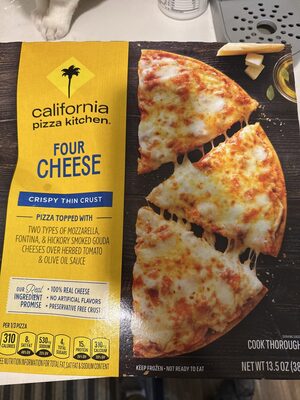
Foods that contain Fontina Cheese
Compare products →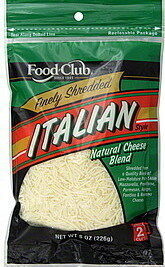
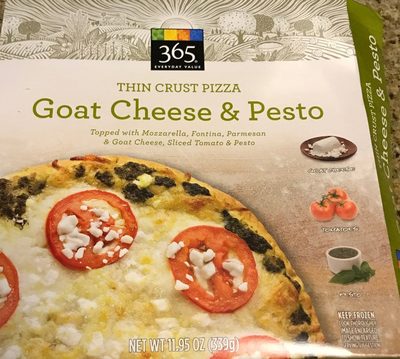

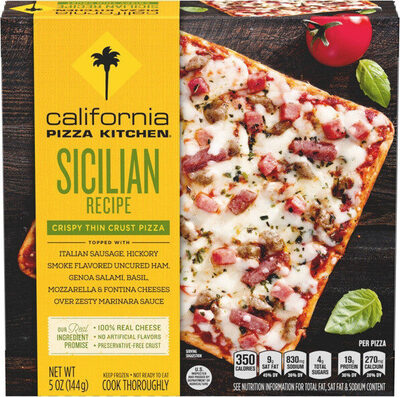








Learn more
Auto-generated content. This description was generated automatically and is pending editorial review. Inaccuracies are possible. Found a mistake? Contact us.