Fungal Enzyme
Auto-generated content. This description was generated automatically and is pending editorial review. Inaccuracies are possible. Found a mistake? Contact us.
What it is
Fungal enzymes are proteins produced by fungi that help break down other substances. They are often produced through fermentation, where fungi are grown in controlled conditions to maximize enzyme production. These enzymes are then purified and used in food processing.
Why it's used
Manufacturers use fungal enzymes as processing aids to improve the texture, flavor, and shelf life of foods. They can help break down starches, proteins, and fats, making ingredients easier to work with and enhancing the final product. Common applications include baked goods, dairy products, and processed meats.
Health notes
Fungal enzymes used in food are generally recognized as safe (GRAS) by the FDA. They are proteins that are typically broken down during digestion and are not expected to cause adverse health effects at normal consumption levels. International bodies like JECFA have evaluated enzymes, and EFSA also assesses their safety. No significant health controversies are associated with their use in typical food amounts.
Allergen info
Fungal enzymes are not derived from any of the nine FDA major allergens. They do not contain gluten.
Products containing Fungal Enzyme
Compare products →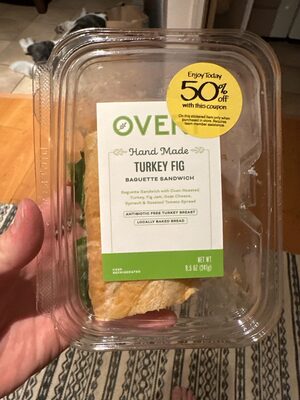 B & B Fringe Corporation
Turkey Fig Baguette Sandwich, Turkey Fig
High in sodium — 27% DV per serving
192kcal
12.5Protein
6.7Fat
22.5Carbs
B & B Fringe Corporation
Turkey Fig Baguette Sandwich, Turkey Fig
High in sodium — 27% DV per serving
192kcal
12.5Protein
6.7Fat
22.5Carbs
 American Export International Company
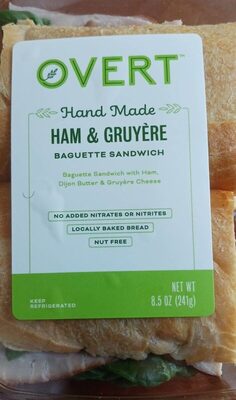
Ham & Gruyere Baguette Sandwich, Ham & Gruyere
High in sodium — 29% DV per serving
High in saturated fat — 20% DV per serving
167kcal
10.8Protein
6.7Fat
15Carbs
American Export International Company
Ham & Gruyere Baguette Sandwich, Ham & Gruyere
High in sodium — 29% DV per serving
High in saturated fat — 20% DV per serving
167kcal
10.8Protein
6.7Fat
15Carbs
 Yankee Trader Seafood Ltd.
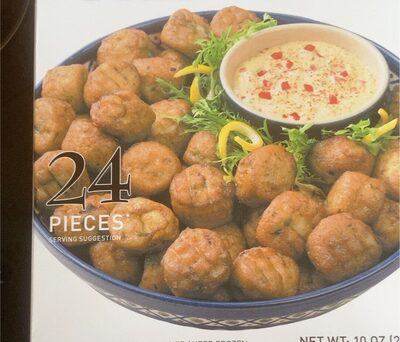
Yankee Trader Seafood Crab Minis, 24 Count, 10 Oz
214kcal
10Protein
12.9Fat
11.4Carbs
Yankee Trader Seafood Ltd.
Yankee Trader Seafood Crab Minis, 24 Count, 10 Oz
214kcal
10Protein
12.9Fat
11.4Carbs