Gadus Chalcogrammus
What is Gadus Chalcogrammus?
Gadus chalcogrammus, also known as Alaska pollock, is a white fish found in the North Pacific Ocean. It is a lean, mild-flavored fish that is often processed into imitation crab meat, fish sticks, and other seafood products.
Is Gadus Chalcogrammus vegan?
No. Gadus Chalcogrammus is animal-derived, so it is not vegan.
Is Gadus Chalcogrammus gluten-free?
It does not contain gluten.
Is Gadus Chalcogrammus a major allergen?
Alaska pollock is a type of fish, which is one of the 9 FDA major allergens.
What is Gadus Chalcogrammus used for?
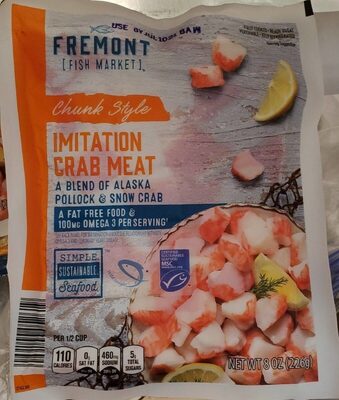
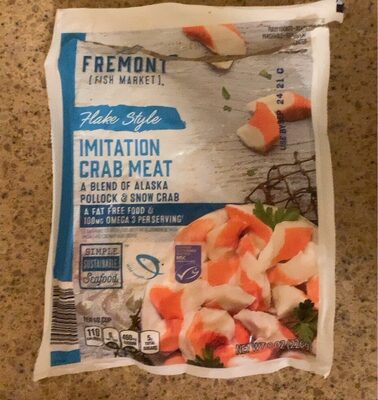
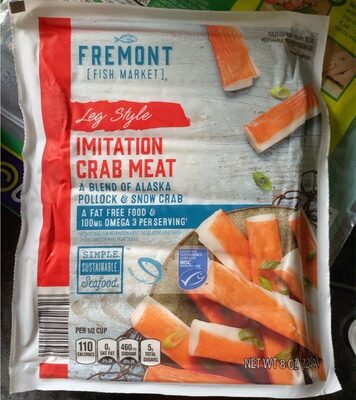
Alaska pollock is frequently used as a base for imitation crab meat due to its flaky texture and mild taste, which readily absorbs other flavors.
Is Gadus Chalcogrammus safe?
Alaska pollock is a source of protein and omega-3 fatty acids.
Why it's used
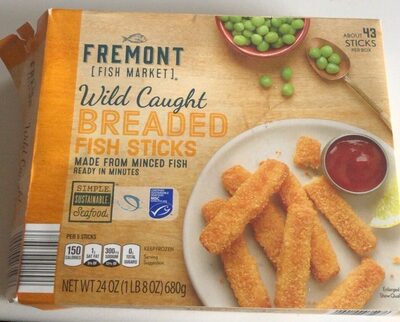
Alaska pollock is frequently used as a base for imitation crab meat due to its flaky texture and mild taste, which readily absorbs other flavors. It is also commonly found in frozen fish fillets, fish sticks, and surimi-based seafood products.
Health notes
Alaska pollock is a source of protein and omega-3 fatty acids. The FDA considers it safe for consumption. International bodies like JECFA have evaluated fish and fish products, but no specific ADI is set for Alaska pollock itself. It is not typically associated with significant health controversies when consumed as part of a balanced diet.
Allergen info
Alaska pollock is a type of fish, which is one of the 9 FDA major allergens. It does not contain gluten.
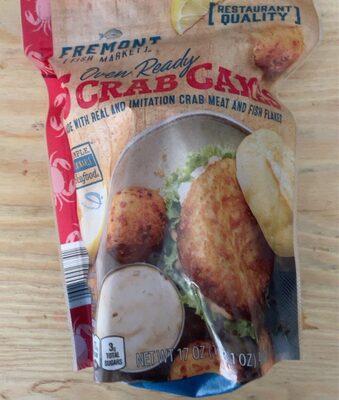
Foods that contain Gadus Chalcogrammus
Compare products →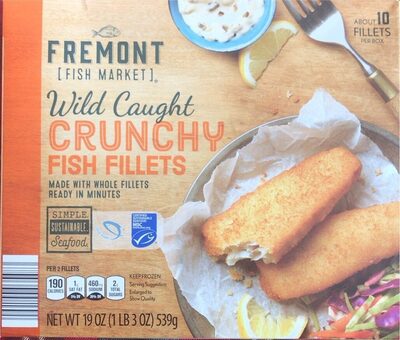
Learn more
Auto-generated content. This description was generated automatically and is pending editorial review. Inaccuracies are possible. Found a mistake? Contact us.