Ghee
What is Ghee?
Ghee is a type of clarified butter, meaning the milk solids and water have been removed. It is made by simmering butter over low heat until the water evaporates and the milk solids separate, then straining the remaining golden liquid.
Is Ghee vegan?
No. Ghee is animal-derived, so it is not vegan.
Is Ghee a major allergen?
Ghee is derived from milk, which is one of the nine major food allergens identified by the FDA.
What is Ghee used for?
Manufacturers use ghee for its rich, nutty flavor and its high smoke point, which makes it suitable for cooking at higher temperatures.
Is Ghee safe?
Ghee is a traditional food ingredient and is not regulated as a food additive by the FDA.
Why it's used
Manufacturers use ghee for its rich, nutty flavor and its high smoke point, which makes it suitable for cooking at higher temperatures. It is often found in baked goods like breads, cookies, and pastries, as well as in ice cream and other desserts, where it contributes to texture and taste.
Health notes
Ghee is a traditional food ingredient and is not regulated as a food additive by the FDA. It is primarily composed of fat, including saturated fat. The Dietary Guidelines for Americans recommend keeping intake of saturated fat to less than 10% of daily calories. As a traditional food, ghee has not been subject to additive safety evaluations by bodies like JECFA or EFSA.
Allergen info
Ghee is derived from milk, which is one of the nine major food allergens identified by the FDA.
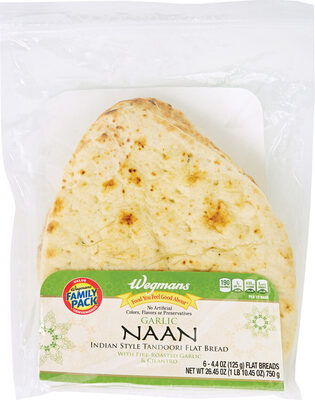
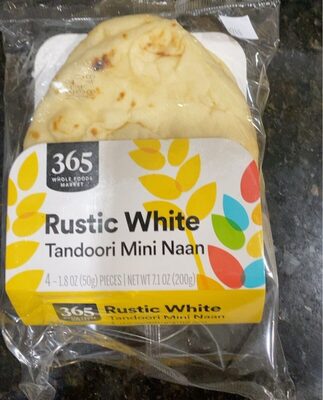
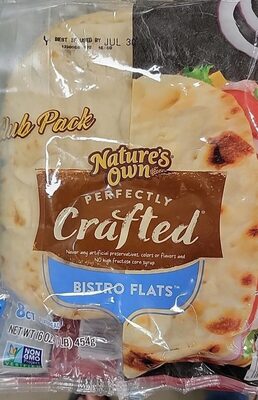
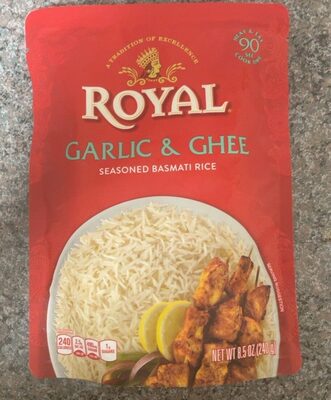
Foods that contain Ghee
Compare products →















Learn more
Auto-generated content. This description was generated automatically and is pending editorial review. Inaccuracies are possible. Found a mistake? Contact us.