Goat Cheese
What is Goat Cheese?
Goat cheese is a dairy product made from the milk of domestic goats. It can range in texture from soft and spreadable to firm and crumbly. The cheesemaking process typically involves curdling the milk, draining the whey, and then shaping and aging the cheese.
Is Goat Cheese vegan?
No. Goat Cheese is animal-derived, so it is not vegan.
Is Goat Cheese gluten-free?
It is not a source of gluten.
Is Goat Cheese a major allergen?
Goat cheese is derived from goat's milk, which is a major allergen.
What is Goat Cheese used for?
Goat cheese is primarily used as a food ingredient for its distinct tangy flavor and creamy texture.
Is Goat Cheese safe?
Goat milk and cheese are generally recognized as safe (GRAS) by the FDA for consumption.
Why it's used
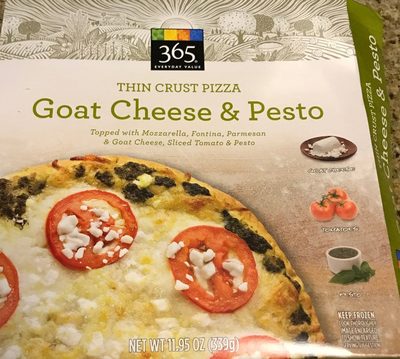
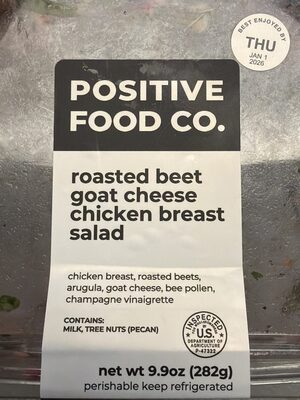
Goat cheese is primarily used as a food ingredient for its distinct tangy flavor and creamy texture. It is commonly found in salads, on pizzas, in pasta dishes, and as a spread or dip. Manufacturers use it to add a rich, savory taste and a desirable mouthfeel to a variety of products.
Health notes
Goat milk and cheese are generally recognized as safe (GRAS) by the FDA for consumption. They are a source of protein, calcium, and other nutrients. While some people find goat cheese easier to digest than cow's milk cheese, scientific evidence for this is mixed. The Joint FAO/WHO Expert Committee on Food Additives (JECFA) has evaluated various dairy products, and EFSA has also assessed the safety of milk and milk products.
Allergen info
Goat cheese is derived from goat's milk, which is a major allergen. It is not a source of gluten.
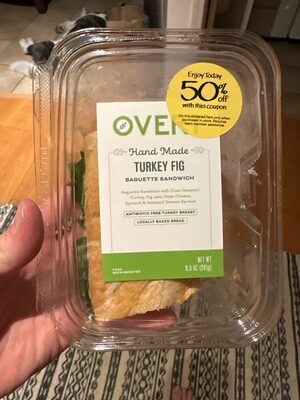
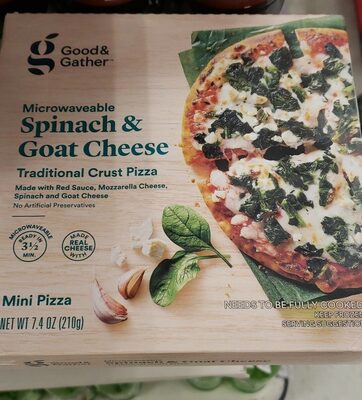
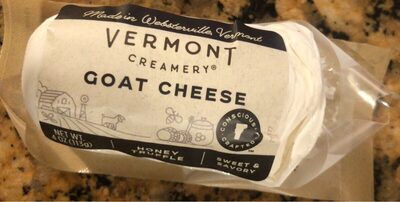
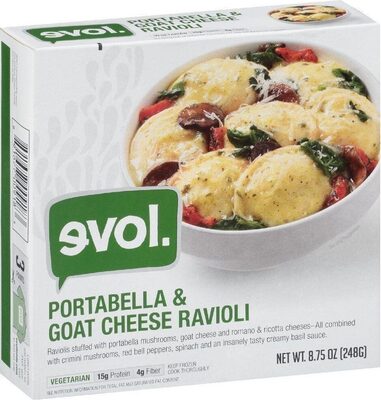
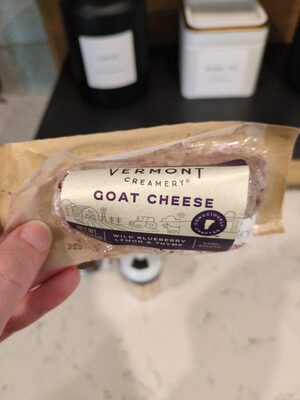
Foods that contain Goat Cheese
Compare products →
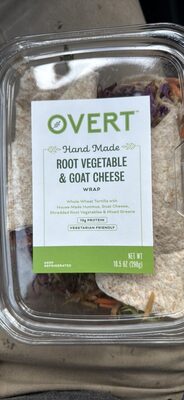
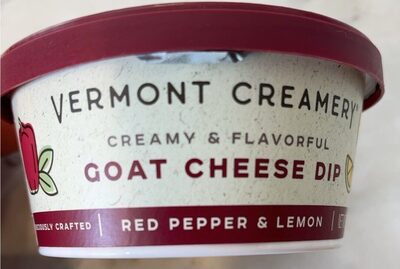
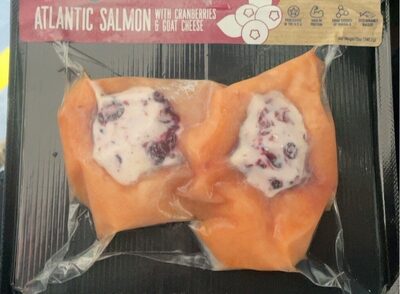
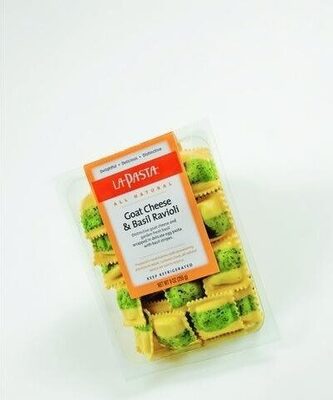
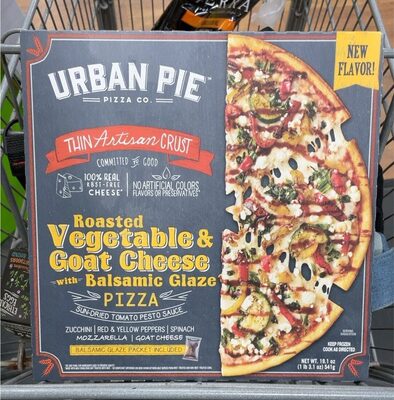
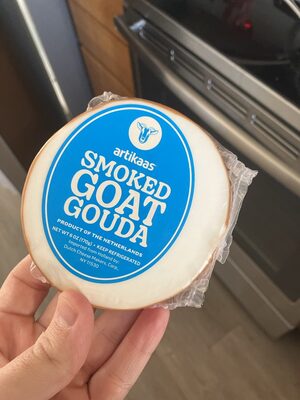
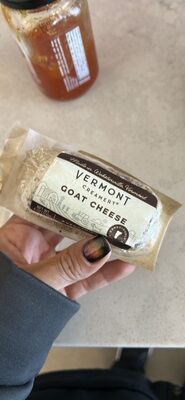
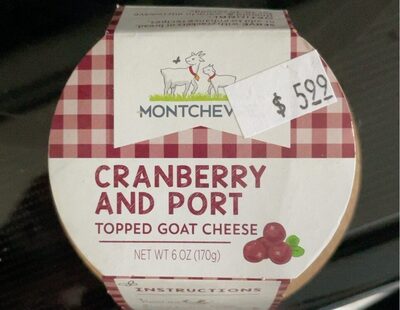
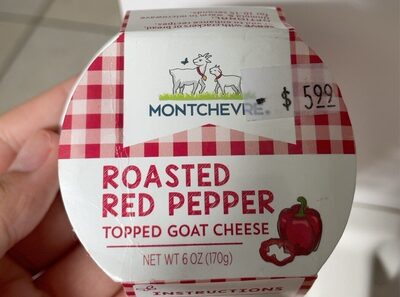
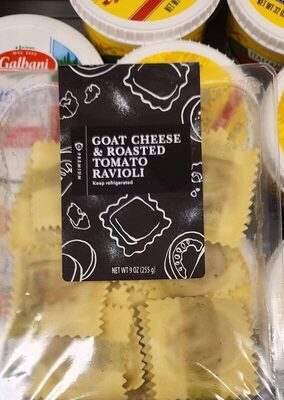
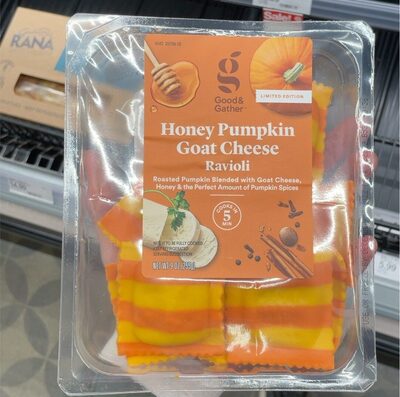
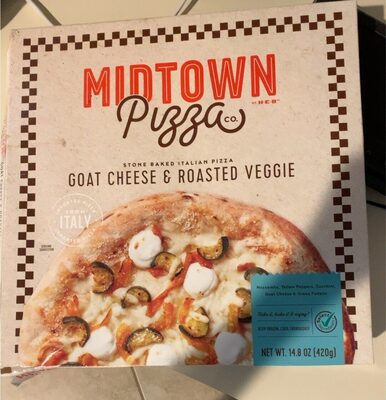
Learn more
Auto-generated content. This description was generated automatically and is pending editorial review. Inaccuracies are possible. Found a mistake? Contact us.