Gram Flour
What is Gram Flour?
Gram flour, also known as besan, is a flour made from ground chickpeas. It is a staple ingredient in Indian, Pakistani, and Nepalese cuisines. The flour has a slightly nutty flavor and a smooth texture.
Is Gram Flour vegan?
Gram Flour is not animal-derived. Products that contain it can still include other animal-derived ingredients, so check the full ingredient list.
Is Gram Flour gluten-free?
It does not contain gluten.
Is Gram Flour a major allergen?
Gram flour is derived from chickpeas, which are legumes.
What is Gram Flour used for?
Gram flour is used as a thickening agent in soups and stews, and as a binder in dishes like pakoras (vegetable fritters).
Is Gram Flour safe?
Gram flour is generally recognized as safe (GRAS) by the FDA for use in food.
Why it's used
Gram flour is used as a thickening agent in soups and stews, and as a binder in dishes like pakoras (vegetable fritters). It can also be used as a base for batters and doughs, and in some baked goods. Manufacturers use it for its binding properties and mild flavor.
Health notes
Gram flour is generally recognized as safe (GRAS) by the FDA for use in food. It is a good source of protein and fiber. JECFA has evaluated gram flour and did not set a numeric limit (ADI not specified). No major health controversies are associated with its consumption at typical dietary levels.
Allergen info
Gram flour is derived from chickpeas, which are legumes. Chickpeas are not one of the nine major allergens recognized by the FDA. It does not contain gluten.
Foods that contain Gram Flour
Compare products →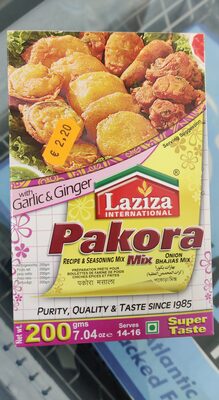
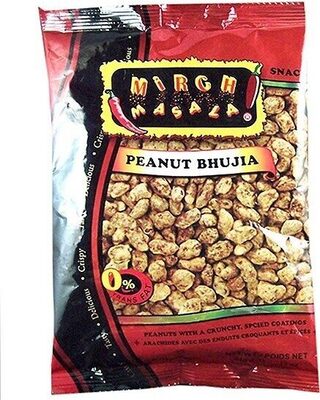
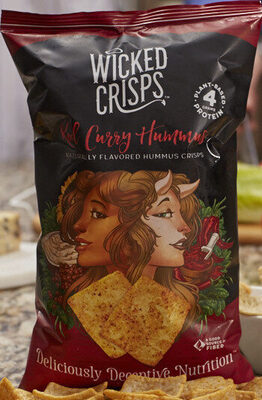
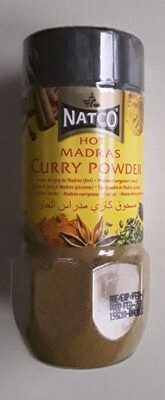
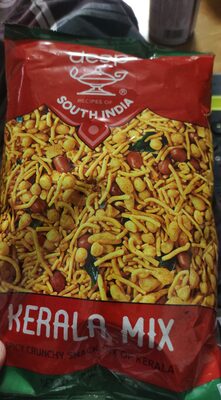
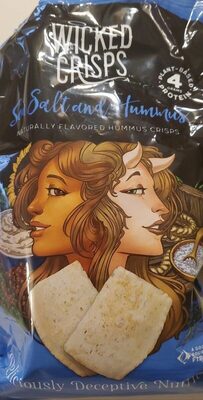
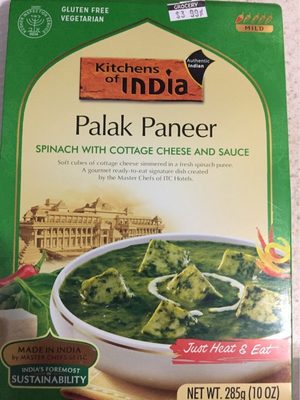
Learn more
Auto-generated content. This description was generated automatically and is pending editorial review. Inaccuracies are possible. Found a mistake? Contact us.