Hard Cheese
What is Hard Cheese?
Hard cheese is a type of cheese that has been aged for a long time, typically from several months to several years. This aging process removes moisture, resulting in a firm texture and concentrated flavor. Hard cheeses are made from milk, usually cow's milk, and involve processes like coagulation, cutting the curd, cooking, draining, and pressing.
Is Hard Cheese vegan?
No. Hard Cheese is animal-derived, so it is not vegan.
Is Hard Cheese gluten-free?
It does not contain gluten.
Is Hard Cheese a major allergen?
Hard cheese is derived from milk, which is one of the nine FDA major allergens.
What is Hard Cheese used for?
Hard cheese is used to add a rich, savory flavor and a firm texture to foods.
Is Hard Cheese safe?
Hard cheese is generally recognized as safe (GRAS) by the FDA.
Why it's used
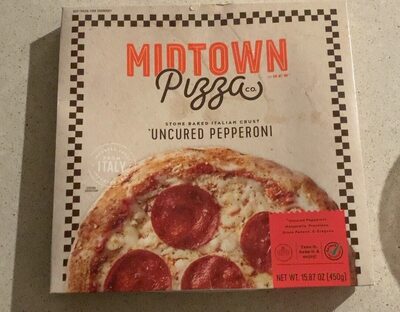
Hard cheese is used to add a rich, savory flavor and a firm texture to foods. It melts well, making it ideal for toppings and sauces. It is commonly found in pizzas, pasta dishes, sauces, and frozen meals.
Health notes
Hard cheese is generally recognized as safe (GRAS) by the FDA. It is a source of protein, calcium, and other nutrients. Like other dairy products, it contains saturated fat and sodium, which should be consumed in moderation as part of a balanced diet. JECFA has evaluated cheese and its components. Evidence does not suggest adverse health effects from typical consumption.
Allergen info
Hard cheese is derived from milk, which is one of the nine FDA major allergens. It does not contain gluten.
Foods that contain Hard Cheese
Compare products →



Learn more
Auto-generated content. This description was generated automatically and is pending editorial review. Inaccuracies are possible. Found a mistake? Contact us.