Hard Salami
What is Hard Salami?
Hard salami is a type of cured sausage, typically made from ground pork and sometimes beef. It is seasoned with spices, fermented, and then air-dried for an extended period, which gives it a firm texture and concentrated flavor.
Is Hard Salami vegan?
No. Hard Salami is animal-derived, so it is not vegan.
Is Hard Salami a major allergen?
Hard salami itself is not considered a major allergen.
What is Hard Salami used for?
Manufacturers use hard salami primarily for its distinct savory flavor and protein content.
Is Hard Salami safe?
Hard salami is a processed meat product.
Why it's used
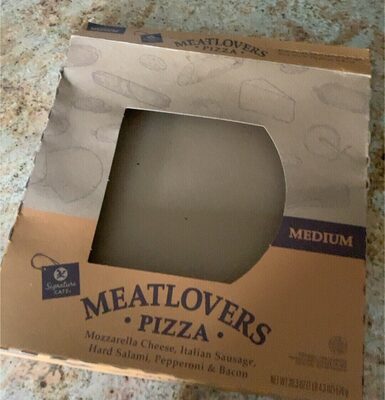
Manufacturers use hard salami primarily for its distinct savory flavor and protein content. It is a common ingredient in prepared sandwiches, wraps, and pizzas, adding a rich, salty taste and chewy texture.
Health notes
Hard salami is a processed meat product. The International Agency for Research on Cancer (IARC) has classified processed meat as carcinogenic to humans (Group 1), based on sufficient evidence that consumption causes colorectal cancer. Hard salami is typically high in sodium and saturated fat. The FDA Daily Value for sodium is 2,300 mg. The Dietary Guidelines for Americans 2025-2030 recommend keeping saturated fat intake to less than 10% of daily calories. As a food product, salami is regulated by the FDA but is not an additive subject to specific evaluations by JECFA or EFSA.
Allergen info
Hard salami itself is not considered a major allergen. However, some formulations may contain ingredients like milk (lactose) or soy, which are major allergens.
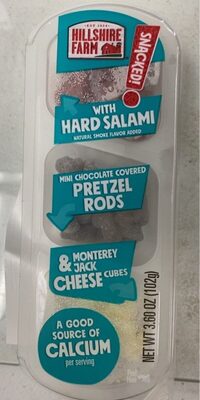
Foods that contain Hard Salami
Compare products →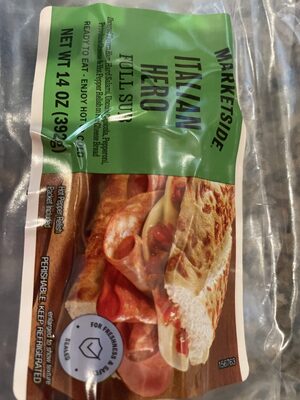

Learn more
Auto-generated content. This description was generated automatically and is pending editorial review. Inaccuracies are possible. Found a mistake? Contact us.