In A Calcium Alginate Casing
Auto-generated content. This description was generated automatically and is pending editorial review. Inaccuracies are possible. Found a mistake? Contact us.
What it is
Calcium alginate is a salt derived from alginic acid, which is found in brown seaweed. It is produced by reacting alginic acid with a calcium salt. The resulting gel-like substance is often used to form casings for processed foods.
Why it's used
Calcium alginate is primarily used as a casing material for processed meats like sausages and hot dogs. It provides a uniform shape and texture, and it is edible, meaning the casing does not need to be removed before cooking or consumption.
Health notes
Calcium alginate is generally recognized as safe (GRAS) by the FDA for use in food. It is a source of calcium and dietary fiber. International bodies like JECFA have evaluated alginates and established acceptable daily intakes, though specific numerical values are not provided here. It is not known to have adverse health effects when consumed in typical amounts.
Allergen info
Not a major allergen. It is derived from seaweed.
Products containing In A Calcium Alginate Casing
Compare products →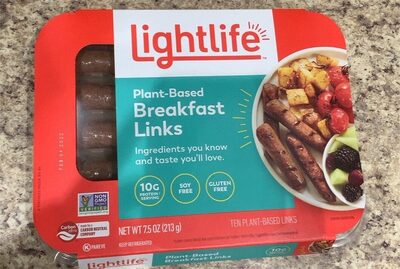 Greenleaf Foods, SPC
Plant-Based Breakfast Links
333kcal
20.8Protein
22.9Fat
8.3Carbs
The Hillshire Brands Company
Italian Style Plant Based Sausage!, Italian Style
High in sodium — 24% DV per serving
235kcal
17.4Protein
15.3Fat
7.1Carbs
INDUSTRIAS ALIMENTICIAS KERN'S Y CIA., S.C.A.
Batter-Wrapped Chicken Sausage Links Breakfast Bites, Batter-Wrapped Chicken Sausage Links
High in sodium — 20% DV per serving
237kcal
10.5Protein
10.5Fat
22.4Carbs
Greenleaf Foods, SPC
Plant-Based Breakfast Links
333kcal
20.8Protein
22.9Fat
8.3Carbs
The Hillshire Brands Company
Italian Style Plant Based Sausage!, Italian Style
High in sodium — 24% DV per serving
235kcal
17.4Protein
15.3Fat
7.1Carbs
INDUSTRIAS ALIMENTICIAS KERN'S Y CIA., S.C.A.
Batter-Wrapped Chicken Sausage Links Breakfast Bites, Batter-Wrapped Chicken Sausage Links
High in sodium — 20% DV per serving
237kcal
10.5Protein
10.5Fat
22.4Carbs
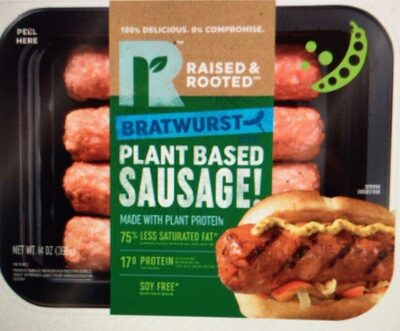 The Hillshire Brands Company
Bratwurst Style Plant Based Sausage!, Bratwurst Style
High in sodium — 25% DV per serving
235kcal
17.4Protein
15.3Fat
7.1Carbs
Greenleaf Foods, SPC
Italian Plant-Based Sausages, Italian
High in sodium — 22% DV per serving
247kcal
16.5Protein
17.6Fat
5.9Carbs
The Hillshire Brands Company
Bratwurst Style Plant Based Sausage!, Bratwurst Style
High in sodium — 25% DV per serving
235kcal
17.4Protein
15.3Fat
7.1Carbs
Greenleaf Foods, SPC
Italian Plant-Based Sausages, Italian
High in sodium — 22% DV per serving
247kcal
16.5Protein
17.6Fat
5.9Carbs
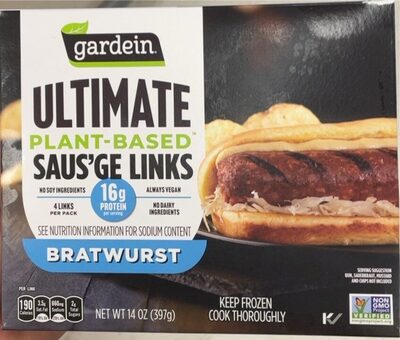 Pinnacle Foods Group LLC
Bratwurst Plant-Based Ultimate Saus'Ge Links, Bratwurst
High in sodium — 29% DV per serving
192kcal
16.2Protein
10.1Fat
8.1Carbs
Hormel Foods Corporation
HORMEL Mini Turkey 0.5 Ounce Corndog, 10 LB, [Alternate ID: 39727]
High in sodium — 20% DV per serving
282kcal
8.2Protein
17.6Fat
23.5Carbs
Pinnacle Foods Group LLC
Bratwurst Plant-Based Ultimate Saus'Ge Links, Bratwurst
High in sodium — 29% DV per serving
192kcal
16.2Protein
10.1Fat
8.1Carbs
Hormel Foods Corporation
HORMEL Mini Turkey 0.5 Ounce Corndog, 10 LB, [Alternate ID: 39727]
High in sodium — 20% DV per serving
282kcal
8.2Protein
17.6Fat
23.5Carbs