Kansui
What is Kansui?
Kansui is an alkaline solution used in making traditional ramen noodles. It is typically made from a combination of potassium carbonate and sodium carbonate, and sometimes also contains phosphoric acid. The alkaline nature of kansui gives ramen noodles their characteristic yellow hue, firm texture, and chewy, springy quality.
Is Kansui vegan?
Kansui is not animal-derived. Products that contain it can still include other animal-derived ingredients, so check the full ingredient list.
Is Kansui gluten-free?
It does not contain gluten.
Is Kansui a major allergen?
Kansui itself is not derived from any of the nine FDA major allergens.
What is Kansui used for?
Manufacturers add kansui to noodles to alter their texture, color, and flavor.
Is Kansui safe?
Kansui is generally recognized as safe (GRAS) by the FDA for use in food.
Why it's used
Manufacturers add kansui to noodles to alter their texture, color, and flavor. Its alkaline properties cause a chemical reaction with the wheat flour, resulting in the unique texture and yellow color of ramen noodles. It is primarily found in various types of ramen noodles and some other Asian noodles.
Health notes
Kansui is generally recognized as safe (GRAS) by the FDA for use in food. It is used in very small amounts in noodles, and typical consumption levels are not associated with adverse health effects. International bodies like JECFA and EFSA have evaluated kansui and its components, but no specific health concerns have been raised at these low levels of intake. Evidence does not suggest significant health implications from its use in food.
Allergen info
Kansui itself is not derived from any of the nine FDA major allergens. It does not contain gluten. Therefore, it is considered safe for individuals with these common allergies.
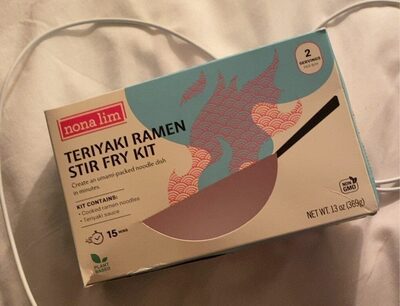
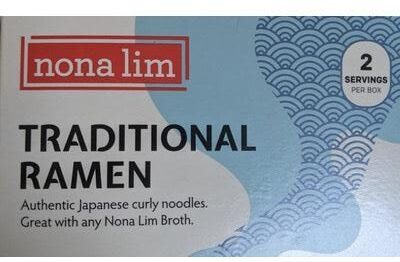
Foods that contain Kansui
Compare products →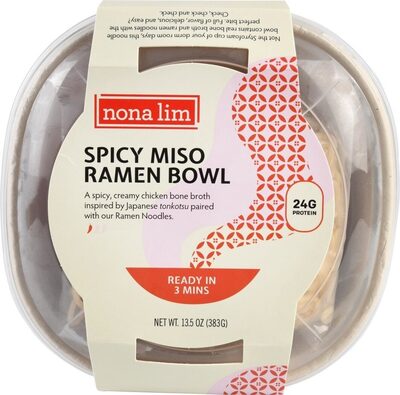
Auto-generated content. This description was generated automatically and is pending editorial review. Inaccuracies are possible. Found a mistake? Contact us.