L-cysteine Monohydrochloride
What is L-cysteine Monohydrochloride?
L-cysteine monohydrochloride is a form of the amino acid cysteine, which is a building block of protein. It is often produced industrially by extracting it from animal sources, such as poultry feathers or hog hair, or through fermentation.
Is L-cysteine Monohydrochloride vegan?
No. L-cysteine Monohydrochloride is animal-derived, so it is not vegan.
Is L-cysteine Monohydrochloride gluten-free?
It does not contain gluten.
Is L-cysteine Monohydrochloride a major allergen?
L-cysteine is not derived from any of the 9 FDA major allergens.
What is L-cysteine Monohydrochloride used for?
Manufacturers use L-cysteine monohydrochloride as a dough conditioner in baked goods, helping to improve texture and reduce mixing time.
Is L-cysteine Monohydrochloride safe?
In the United States, L-cysteine is generally recognized as safe (GRAS) by the FDA for use in food.
Why it's used
Manufacturers use L-cysteine monohydrochloride as a dough conditioner in baked goods, helping to improve texture and reduce mixing time. It can also act as a flavor enhancer, particularly in savory products.
Health notes
In the United States, L-cysteine is generally recognized as safe (GRAS) by the FDA for use in food. International bodies like JECFA have evaluated it. It is typically consumed in small amounts as part of a varied diet.
Allergen info
L-cysteine is not derived from any of the 9 FDA major allergens. It does not contain gluten.
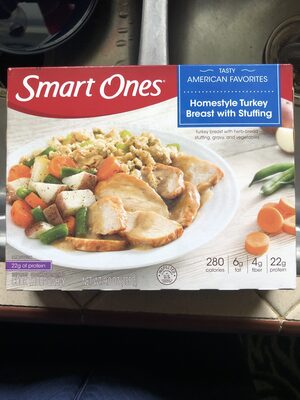
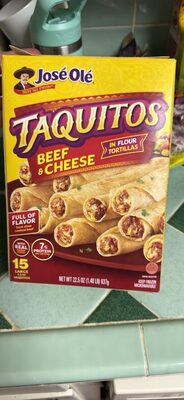
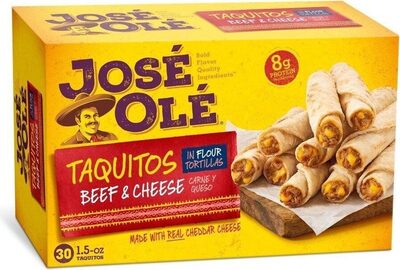
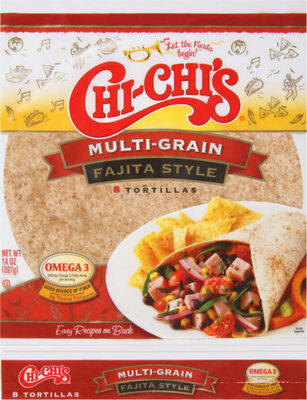
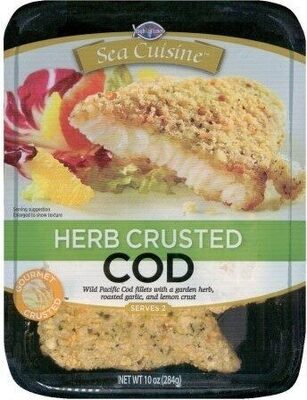
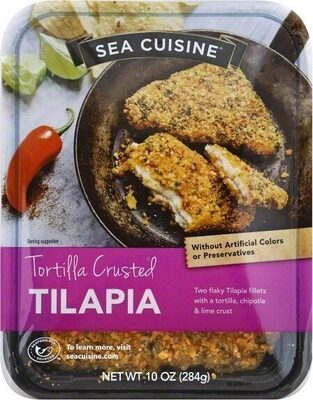
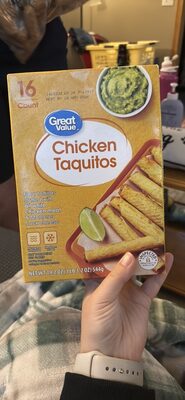
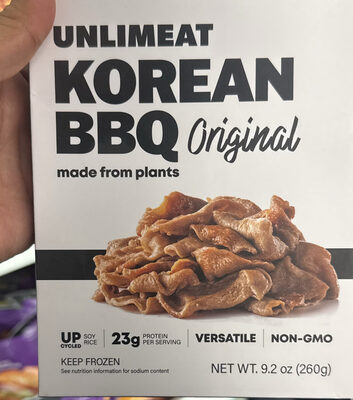
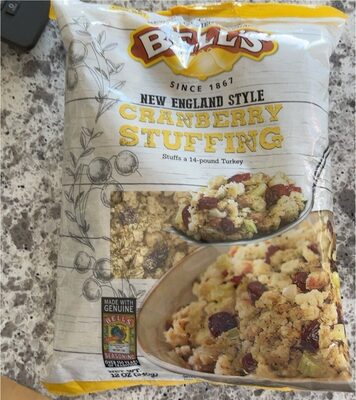
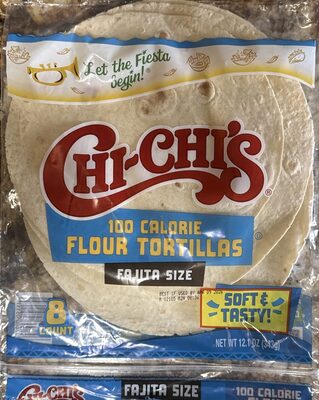
Foods that contain L-cysteine Monohydrochloride
Compare products →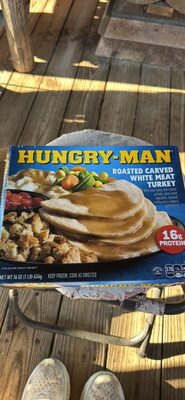
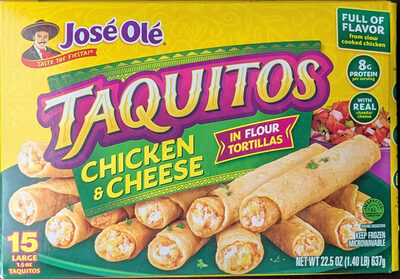
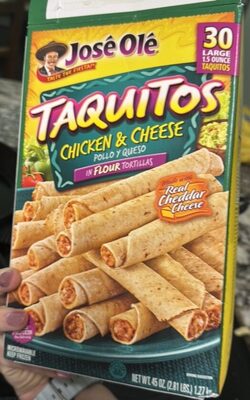
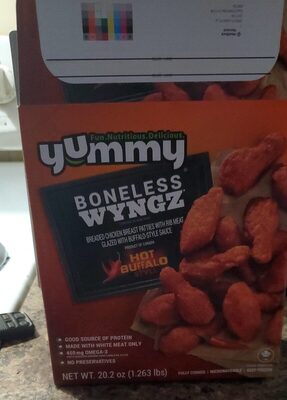
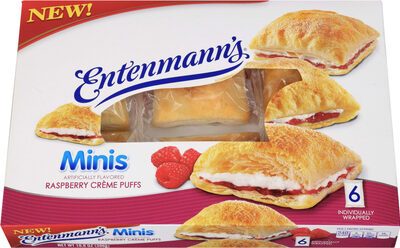
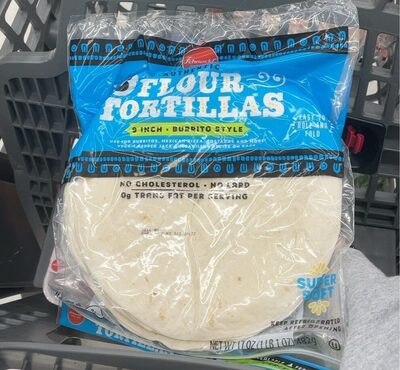
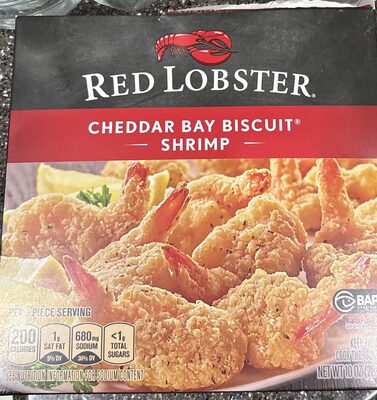
Learn more
Auto-generated content. This description was generated automatically and is pending editorial review. Inaccuracies are possible. Found a mistake? Contact us.