Lipolyzed Butter Fat
What is Lipolyzed Butter Fat?
Lipolyzed butter fat is a type of butter oil that has undergone a process called lipolysis. This process uses enzymes to break down the butterfat into smaller components, which can alter its flavor and texture. It is derived from milk fat.
Is Lipolyzed Butter Fat vegan?
No. Lipolyzed Butter Fat is animal-derived, so it is not vegan.
Is Lipolyzed Butter Fat a major allergen?
Lipolyzed butter fat is derived from milk, which is one of the nine major allergens recognized by the FDA.
What is Lipolyzed Butter Fat used for?
Manufacturers use lipolyzed butter fat to add a rich, buttery flavor to foods without the water and milk solids found in regular butter.
Is Lipolyzed Butter Fat safe?
Lipolyzed butter fat is generally recognized as safe (GRAS) by the FDA for use in food.
Why it's used
Manufacturers use lipolyzed butter fat to add a rich, buttery flavor to foods without the water and milk solids found in regular butter. It functions as a flavor enhancer and is often found in products like gravies, sauces, baked goods, and processed cheese.
Health notes
Lipolyzed butter fat is generally recognized as safe (GRAS) by the FDA for use in food. It is a source of fat and contributes to the overall calorie content of foods. International bodies like JECFA have evaluated fats and oils, but specific evaluations for lipolyzed butter fat may vary. At typical consumption levels, it is not associated with adverse health effects.
Allergen info
Lipolyzed butter fat is derived from milk, which is one of the nine major allergens recognized by the FDA. Therefore, products containing it must be labeled as containing milk.
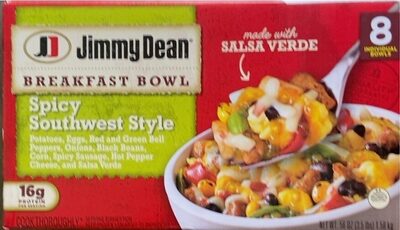
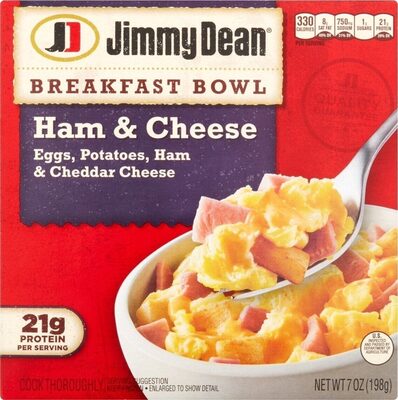
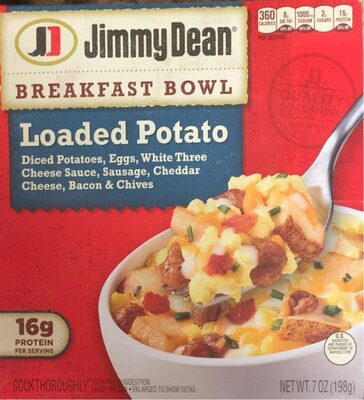
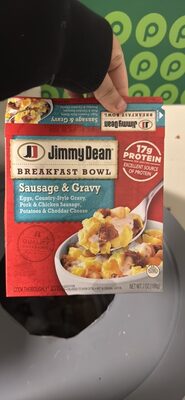
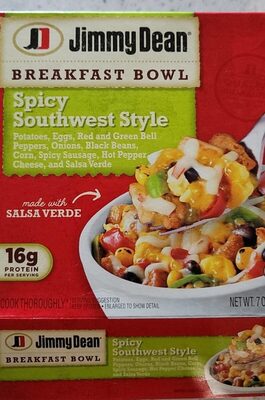
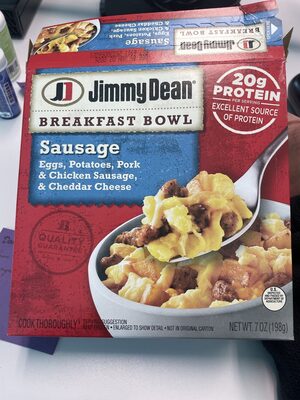
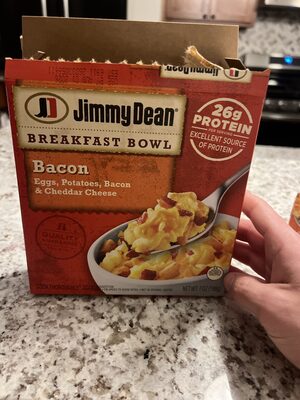
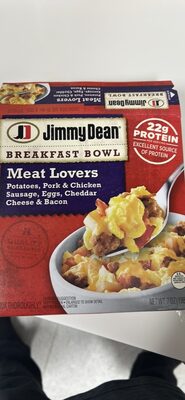
Foods that contain Lipolyzed Butter Fat
Compare products →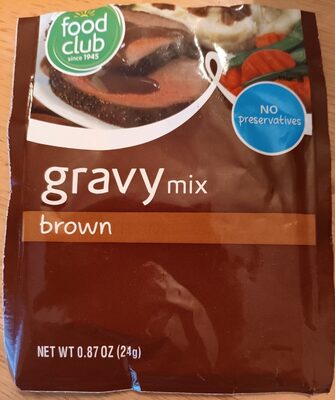
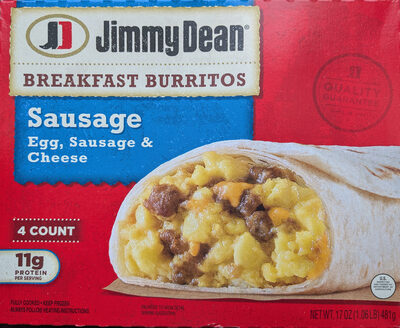
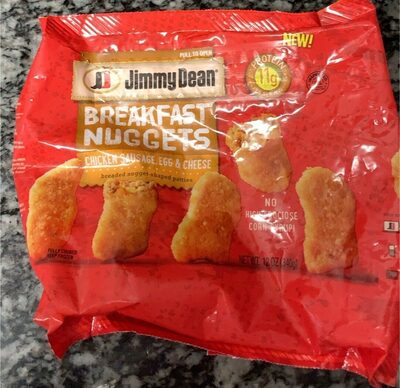

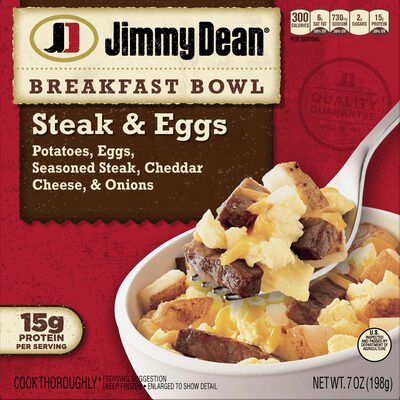


Learn more
Auto-generated content. This description was generated automatically and is pending editorial review. Inaccuracies are possible. Found a mistake? Contact us.