Liquid Yolk
What is Liquid Yolk?
Liquid yolk is the liquid part of an egg after the shell and white have been removed. It is primarily composed of water, fat, and proteins. It is typically produced by separating eggs on a large scale for food processing.
Is Liquid Yolk vegan?
No. Liquid Yolk is animal-derived, so it is not vegan.
Is Liquid Yolk gluten-free?
It does not contain gluten.
Is Liquid Yolk a major allergen?
Liquid yolk is derived from eggs, which are one of the nine major allergens recognized by the FDA.
What is Liquid Yolk used for?
Liquid yolk is used as an emulsifier, binder, and for its rich flavor and color.
Is Liquid Yolk safe?
Liquid yolk is generally recognized as safe (GRAS) by the FDA for use in food.
Why it's used
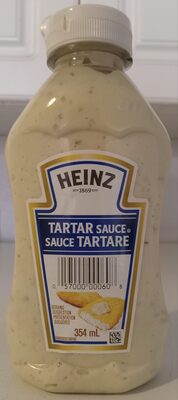
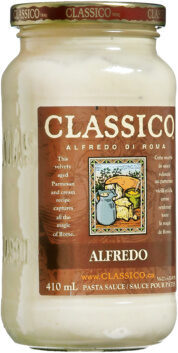
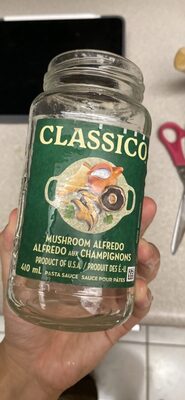
Liquid yolk is used as an emulsifier, binder, and for its rich flavor and color. It helps to create smooth textures in products like salad dressings, mayonnaise, and sauces. It is also used in baked goods, pasta, and cheese products.
Health notes
Liquid yolk is generally recognized as safe (GRAS) by the FDA for use in food. It is a source of nutrients like choline and vitamin D. Regulatory bodies like JECFA and EFSA have evaluated eggs and egg products. While eggs are a common allergen, the yolk itself is not typically associated with specific health concerns when consumed as part of a balanced diet at typical intake levels.
Allergen info
Liquid yolk is derived from eggs, which are one of the nine major allergens recognized by the FDA. It does not contain gluten.
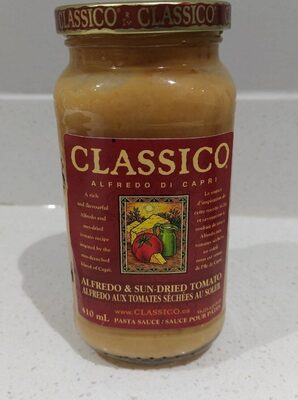
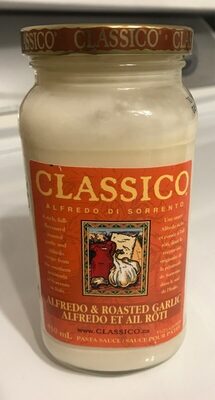
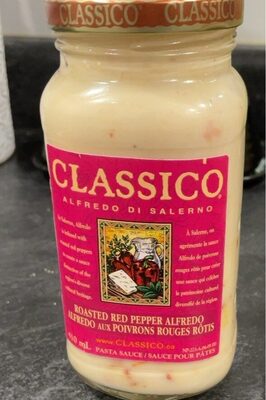
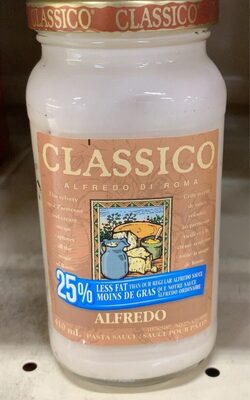
Foods that contain Liquid Yolk
Compare products →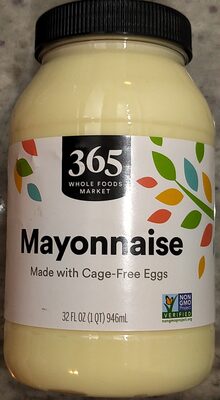
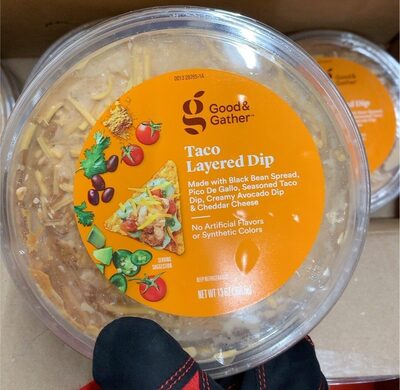
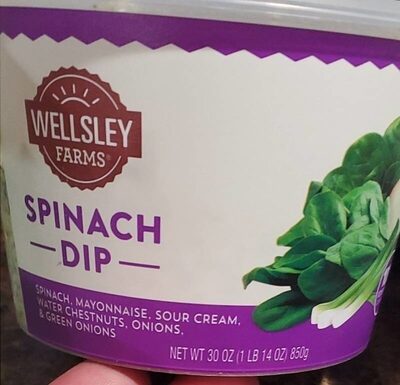
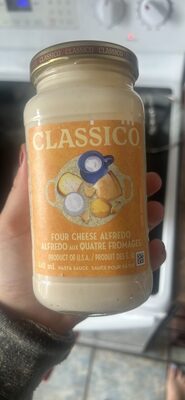
Learn more
Auto-generated content. This description was generated automatically and is pending editorial review. Inaccuracies are possible. Found a mistake? Contact us.