Live Active Yogurt Cultures Including L
Auto-generated content. This description was generated automatically and is pending editorial review. Inaccuracies are possible. Found a mistake? Contact us.
What it is
Live active yogurt cultures are beneficial bacteria, primarily Lactobacillus and Streptococcus species, added to milk during yogurt production. These microorganisms ferment lactose (milk sugar) into lactic acid, which gives yogurt its characteristic tangy flavor and thick texture. They are essential for transforming milk into yogurt.
Why it's used
These cultures are not typically added to foods for functional purposes like preservation or thickening, but rather to impart the distinct flavor and texture of yogurt. They are found in products that aim to replicate the taste and perceived health benefits of traditional yogurt, such as frozen yogurt and some dairy-based desserts.
Health notes
Live active yogurt cultures are generally recognized as safe (GRAS) by the FDA for use in yogurt and related products. These bacteria are considered probiotics, which are live microorganisms that may provide health benefits when consumed in adequate amounts, such as supporting gut health. Regulatory bodies like the WHO and EFSA have reviewed probiotics, but specific health claims are often subject to ongoing research and regulatory evaluation. Evidence for specific health benefits is generally considered promising but can vary depending on the strain and individual.
Allergen info
Not a major allergen. However, yogurt cultures are added to dairy products, which are a major allergen.
Products containing Live Active Yogurt Cultures Including L
Compare products →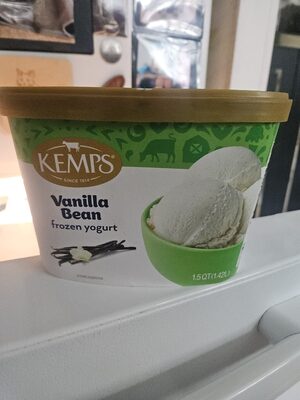 Kemps LLC
Smooth & Creamy Frozen Yogurt, Vanilla Bean
185kcal
3.1Protein
3.9Fat
30.8Carbs
Kemps LLC
Smooth & Creamy Frozen Yogurt, Vanilla Bean
185kcal
3.1Protein
3.9Fat
30.8Carbs
 Kemps LLC
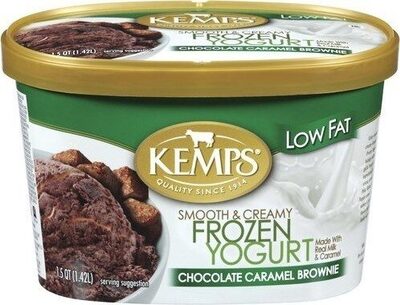
Smooth & Creamy Frozen Yogurt, Chocolate Caramel Brownie
200kcal
4.6Protein
5.4Fat
33.9Carbs
Kemps LLC
Smooth & Creamy Frozen Yogurt, Chocolate Caramel Brownie
200kcal
4.6Protein
5.4Fat
33.9Carbs
 Kemps LLC
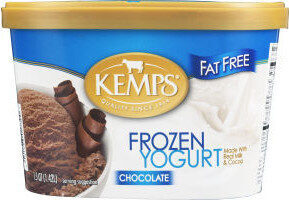
Frozen Yogurt, Chocolate
138kcal
4.6Protein
0Fat
29.2Carbs
Kemps LLC
Frozen Yogurt, Chocolate
138kcal
4.6Protein
0Fat
29.2Carbs
 Kemps LLC
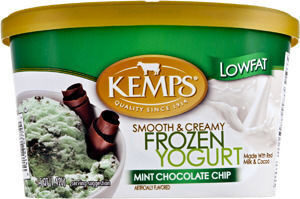
Low Fat Smooth & Creamy Frozen Yogurt, Mint Chocolate Chip
169kcal
3.1Protein
2.3Fat
33.9Carbs
Kemps LLC
Low Fat Smooth & Creamy Frozen Yogurt, Mint Chocolate Chip
169kcal
3.1Protein
2.3Fat
33.9Carbs
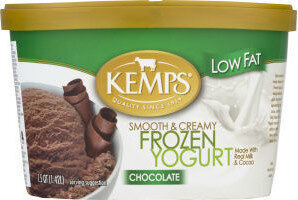 Kemps LLC
Frozen Yogurt
169kcal
4.6Protein
4.6Fat
29.2Carbs
Kemps LLC
Frozen Yogurt
169kcal
4.6Protein
4.6Fat
29.2Carbs
 Kemps LLC
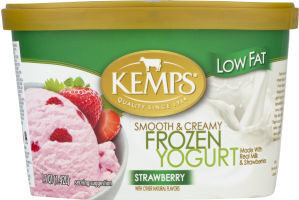
Smooth & Creamy Frozen Yogurt, Strawberry
154kcal
3.1Protein
2.3Fat
27.7Carbs
Kemps LLC
Smooth & Creamy Frozen Yogurt, Strawberry
154kcal
3.1Protein
2.3Fat
27.7Carbs
 Kemps LLC
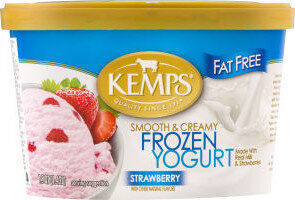
Smooth & Creamy Frozen Yogurt, Strawberry
123kcal
3.1Protein
0Fat
27.7Carbs
Kemps LLC
Smooth & Creamy Frozen Yogurt, Caramel Praline Crunch
169kcal
3.1Protein
0Fat
40Carbs
Kemps LLC
Fat Free Yogurt, Vanilla
154kcal
3.1Protein
0Fat
32.3Carbs
Kemps LLC
Smooth & Creamy Frozen Yogurt, Strawberry
123kcal
3.1Protein
0Fat
27.7Carbs
Kemps LLC
Smooth & Creamy Frozen Yogurt, Caramel Praline Crunch
169kcal
3.1Protein
0Fat
40Carbs
Kemps LLC
Fat Free Yogurt, Vanilla
154kcal
3.1Protein
0Fat
32.3Carbs