Lump Crabmeat
What is Lump Crabmeat?
Lump crabmeat is made from pieces of cooked crab meat that are larger than claw meat but smaller than jumbo lump. It is sourced from various crab species, most commonly blue crabs found in the Atlantic Ocean. The meat is carefully picked from the crab's body after cooking.
Is Lump Crabmeat vegan?
No. Lump Crabmeat is animal-derived, so it is not vegan.
Is Lump Crabmeat a major allergen?
Lump crabmeat is derived from shellfish, which is one of the 9 FDA major allergens.
What is Lump Crabmeat used for?
Lump crabmeat is primarily used to add a rich, sweet, and savory seafood flavor and texture to dishes.
Is Lump Crabmeat safe?
Lump crabmeat is a natural food ingredient and is not subject to FDA additive regulations.
Why it's used
Lump crabmeat is primarily used to add a rich, sweet, and savory seafood flavor and texture to dishes. Its larger pieces hold their shape well, making it ideal for crab cakes, crab salads, stuffed seafood, and pasta dishes.
Health notes
Lump crabmeat is a natural food ingredient and is not subject to FDA additive regulations. It is a good source of protein and omega-3 fatty acids. JECFA has evaluated crab meat and found it to be safe for consumption. No specific health concerns are associated with typical consumption of lump crabmeat.
Allergen info
Lump crabmeat is derived from shellfish, which is one of the 9 FDA major allergens. Individuals with shellfish allergies should avoid consuming it.
Foods that contain Lump Crabmeat
Compare products →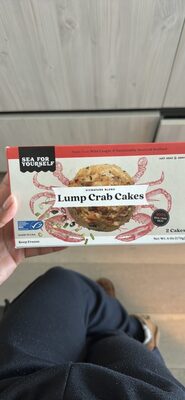
Learn more
Auto-generated content. This description was generated automatically and is pending editorial review. Inaccuracies are possible. Found a mistake? Contact us.