Malt
What is Malt?
Malt is a grain product, most commonly made from barley, but also from wheat, rye, or other cereals. It is produced through a process called malting, where grains are steeped in water, allowed to germinate, and then dried with hot air. This process activates enzymes that convert starches into sugars.
Is Malt vegan?
Malt is not animal-derived. Products that contain it can still include other animal-derived ingredients, so check the full ingredient list.
Is Malt gluten-free?
However, it is typically derived from grains like barley or wheat, which contain gluten.
Is Malt a major allergen?
Malt is not a major allergen itself.
What is Malt used for?
Malt is used to add sweetness, flavor, and color to various foods and beverages.
Is Malt safe?
Malt is generally recognized as safe (GRAS) by the FDA when used in accordance with good manufacturing practices.
Why it's used
Malt is used to add sweetness, flavor, and color to various foods and beverages. It also provides enzymes that can help with dough conditioning in baked goods. It is frequently found in baked goods, cereals, snack bars, and some beverages.
Health notes
Malt is generally recognized as safe (GRAS) by the FDA when used in accordance with good manufacturing practices. It is a traditional food ingredient and is not typically evaluated by bodies like JECFA or EFSA as a food additive with an acceptable daily intake (ADI). There are no known adverse health effects at typical consumption levels, beyond those related to its calorie content or gluten for sensitive individuals.
Allergen info
Malt is not a major allergen itself. However, it is typically derived from grains like barley or wheat, which contain gluten. Therefore, products containing malt may not be suitable for individuals with celiac disease or gluten sensitivity.
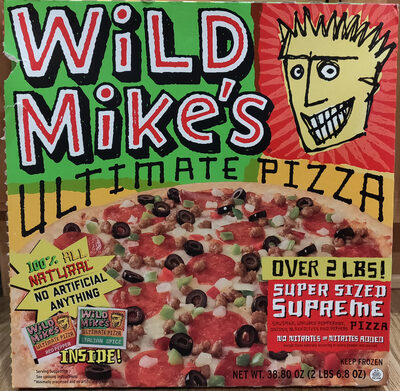
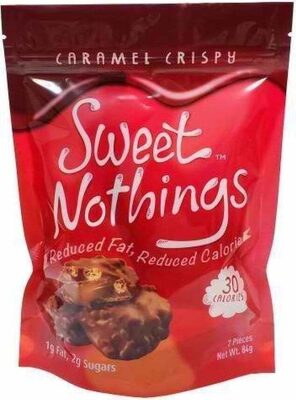
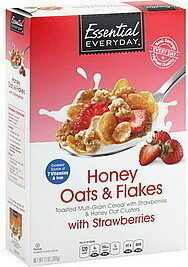
Foods that contain Malt
Compare products →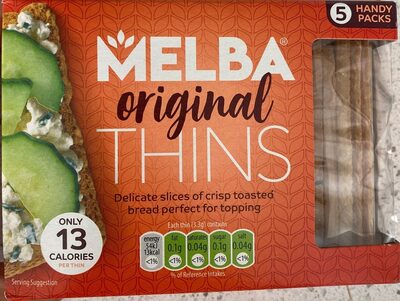
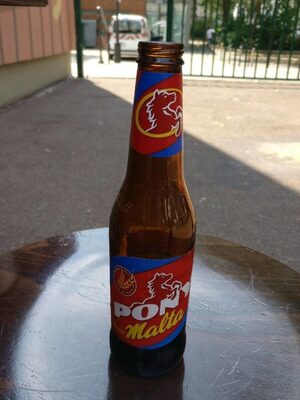
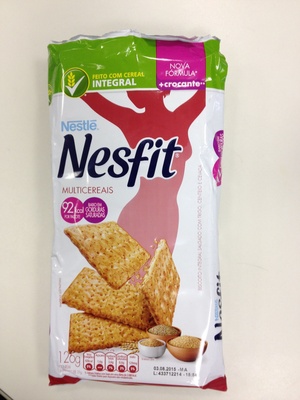
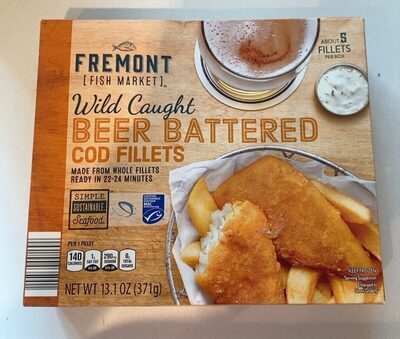

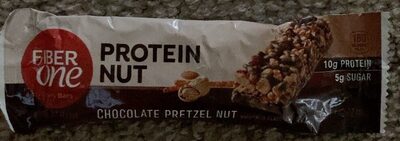
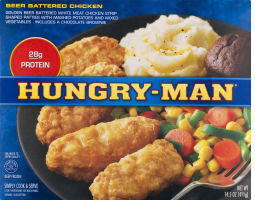
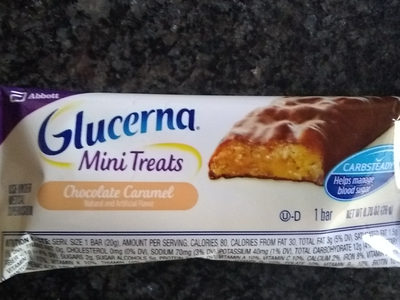
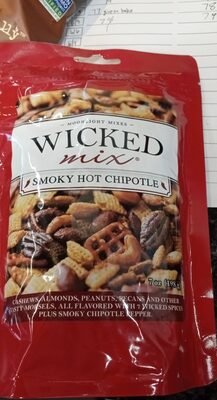
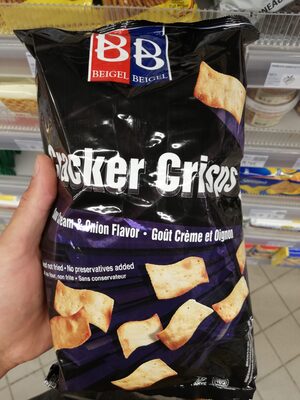
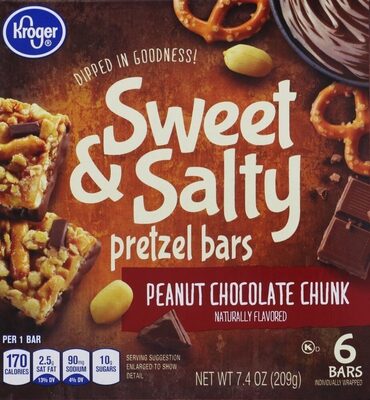
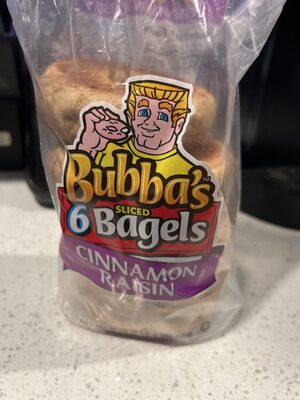
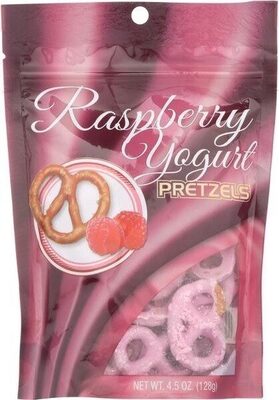
Learn more
Auto-generated content. This description was generated automatically and is pending editorial review. Inaccuracies are possible. Found a mistake? Contact us.