Non-genetically Modified
What is Non-genetically Modified?
Non-genetically modified (non-GMO) refers to foods or ingredients that have not been genetically engineered. Genetic engineering involves altering the DNA of a plant or animal to introduce desirable traits. Non-GMO status is often verified by third-party organizations.
Is Non-genetically Modified a major allergen?
Non-GMO is a production claim and not an ingredient itself, so it does not directly relate to the major allergens.
What is Non-genetically Modified used for?
Manufacturers highlight non-GMO ingredients to meet consumer demand for foods perceived as more natural or traditional.
Is Non-genetically Modified safe?
The U.S. Food and Drug Administration (FDA) states that genetically modified foods available in the U.S. market have been found to be safe to eat.
Why it's used
Manufacturers highlight non-GMO ingredients to meet consumer demand for foods perceived as more natural or traditional. It is often used in products where consumers are particularly concerned about genetic modification, such as organic foods, plant-based alternatives, and processed items.
Health notes
The U.S. Food and Drug Administration (FDA) states that genetically modified foods available in the U.S. market have been found to be safe to eat. Regulatory bodies like the FDA and EFSA do not specifically evaluate non-GMO status as a health claim, but rather as a labeling and production standard. Scientific consensus, as reflected by major scientific bodies, is that foods derived from genetically engineered crops are as safe as foods from non-genetically engineered crops. There is no scientific evidence of harm to human health from consuming non-GMO foods compared to GMO foods.
Allergen info
Non-GMO is a production claim and not an ingredient itself, so it does not directly relate to the major allergens. However, the source ingredients of a non-GMO product could be major allergens.
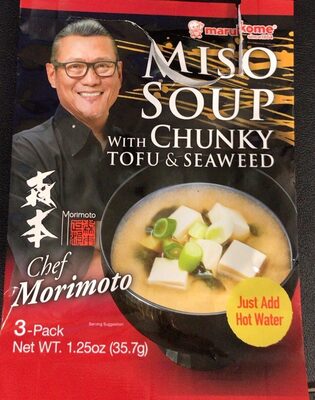
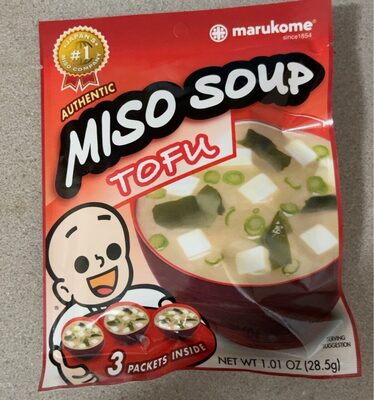
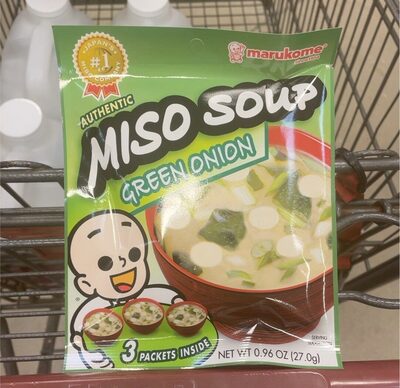
Foods that contain Non-genetically Modified
Compare products →
Auto-generated content. This description was generated automatically and is pending editorial review. Inaccuracies are possible. Found a mistake? Contact us.