Non-gmo/expeller-pressed Canola Oil
What is Non-gmo/expeller-pressed Canola Oil?
Canola oil is a vegetable oil made from the seeds of the canola plant. The term 'canola' is a portmanteau of 'Canadian oil, low acid.' Expeller-pressed means the oil is extracted using mechanical pressure without the use of chemical solvents.
Is Non-gmo/expeller-pressed Canola Oil vegan?
Non-gmo/expeller-pressed Canola Oil is not animal-derived. Products that contain it can still include other animal-derived ingredients, so check the full ingredient list.
Is Non-gmo/expeller-pressed Canola Oil gluten-free?
It is not a source of gluten.
Is Non-gmo/expeller-pressed Canola Oil a major allergen?
Canola oil is not derived from any of the 9 major allergens.
What is Non-gmo/expeller-pressed Canola Oil used for?
Canola oil is a versatile cooking oil used in a wide variety of foods.
Is Non-gmo/expeller-pressed Canola Oil safe?
Canola oil is generally recognized as safe (GRAS) by the FDA for use in food.
Why it's used
Canola oil is a versatile cooking oil used in a wide variety of foods. Manufacturers use it as a cooking medium, a base for dressings and sauces, and as an ingredient in baked goods and processed foods due to its neutral flavor and relatively low saturated fat content.
Health notes
Canola oil is generally recognized as safe (GRAS) by the FDA for use in food. It is a source of monounsaturated and polyunsaturated fats, including omega-3 fatty acids. Regulatory bodies like the WHO and EFSA have evaluated edible oils, and canola oil is considered safe for consumption at typical dietary levels. Some debate exists regarding the processing methods, but scientific consensus supports its safety.
Allergen info
Canola oil is not derived from any of the 9 major allergens. It is not a source of gluten.
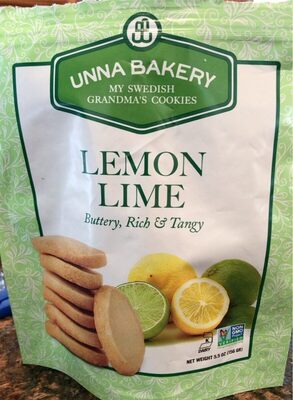
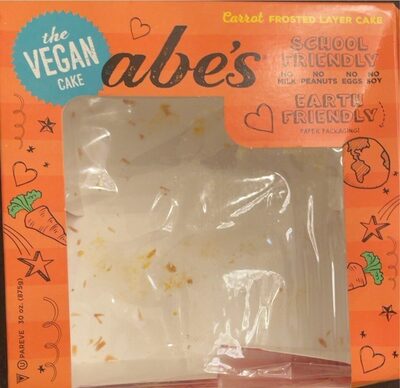
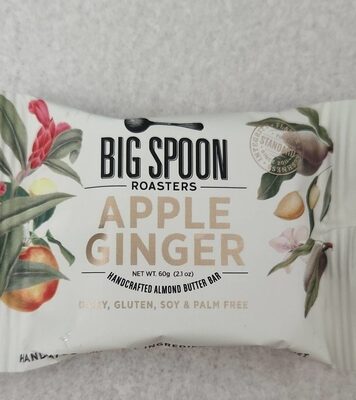
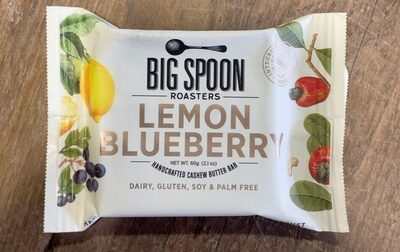
Foods that contain Non-gmo/expeller-pressed Canola Oil
Compare products →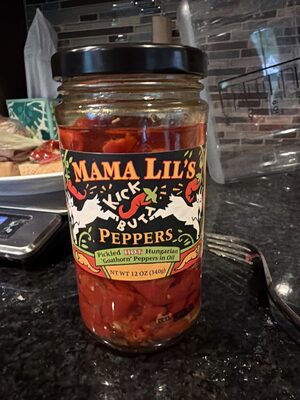
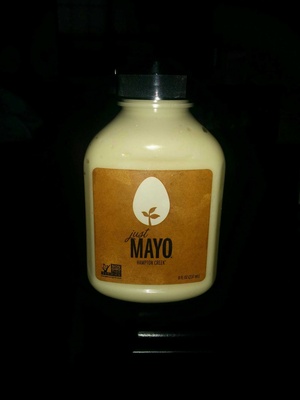
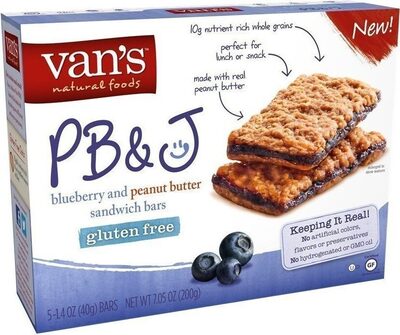
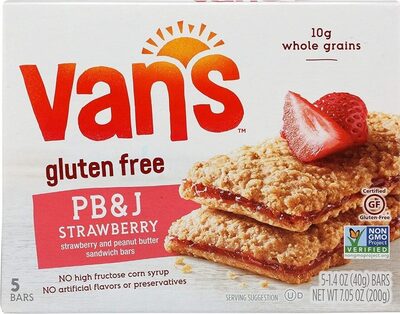
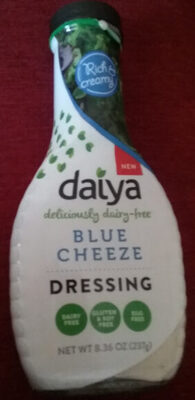
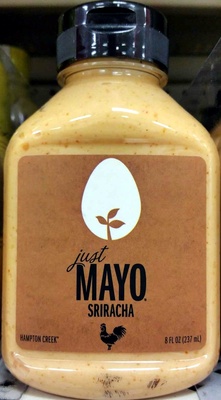
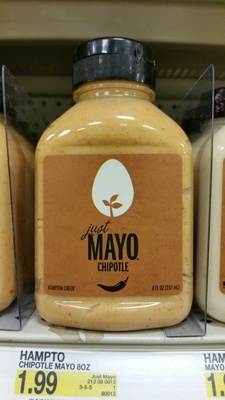
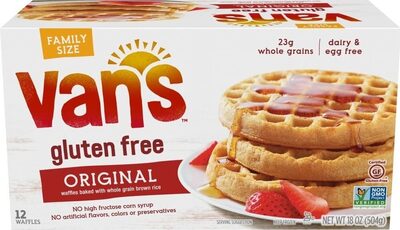
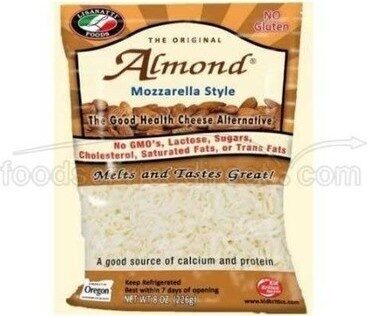
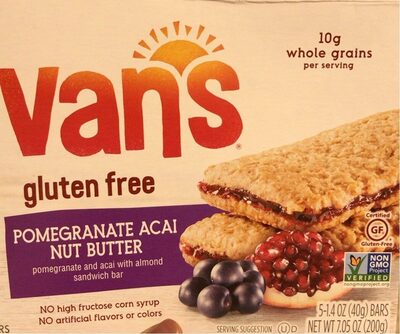
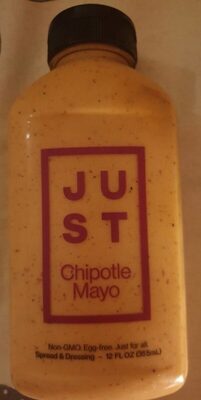
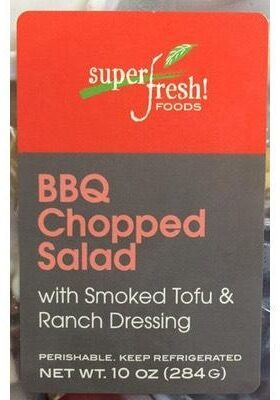
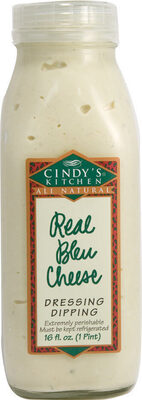
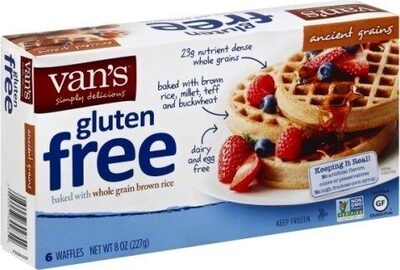
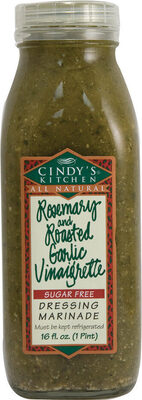
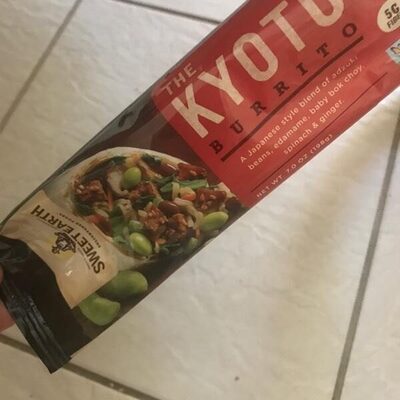
Learn more
Auto-generated content. This description was generated automatically and is pending editorial review. Inaccuracies are possible. Found a mistake? Contact us.