Non-hydrogenated Vegetable Oil
Auto-generated content. This description was generated automatically and is pending editorial review. Inaccuracies are possible. Found a mistake? Contact us.
What it is
Non-hydrogenated vegetable oil is a fat extracted from plants, such as soybeans, canola, corn, or sunflower seeds. It remains liquid at room temperature because it contains unsaturated fats. The oil is typically refined to remove impurities and improve its flavor and shelf life.
Why it's used
Manufacturers use non-hydrogenated vegetable oil as a cooking medium, a fat source, and to improve texture and mouthfeel in baked goods, snacks, and processed foods. It helps bind ingredients, prevent sticking, and add richness to products like cookies, cakes, and crackers.
Health notes
Non-hydrogenated vegetable oils are generally recognized as safe (GRAS) by the FDA for use in food. They are a source of unsaturated fats, which are considered healthier than saturated fats when consumed in moderation as part of a balanced diet. Regulatory bodies like JECFA and EFSA have evaluated various vegetable oils. Evidence suggests that replacing saturated fats with unsaturated fats may have benefits for heart health.
Allergen info
Depending on the specific vegetable source, non-hydrogenated vegetable oil may be derived from major allergens like soy or tree nuts. It is not a source of gluten unless cross-contamination occurs.
Products containing Non-hydrogenated Vegetable Oil
Compare products →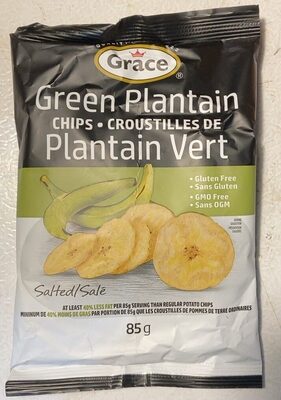 GRACE
Plantain Chips
464kcal
3.6Protein
17.9Fat
71.4Carbs
CHARLOTTE'S
Charlotte's, Bark Cookies, Butter, Chocolate Chip
423kcal
3.9Protein
19.2Fat
57.7Carbs
CHARLOTTE'S
Just Enough Brownie Bark
333kcal
3.3Protein
11.7Fat
60Carbs
CHARLOTTE'S
Brownie Chew Cookies
400kcal
3.3Protein
16.7Fat
63.3Carbs
CHARLOTTE'S
Charlotte's, Cookies, Peanut Butter Fudge
375kcal
9.4Protein
18.8Fat
59.4Carbs
CHARLOTTE'S
Peanut Butter Cookies
344kcal
9.4Protein
15.6Fat
56.2Carbs
REESE'S
Peanut Butter Chocolate Fudge Cake
High in saturated fat — 25% DV per serving
403kcal
6.0Protein
22.4Fat
47.8Carbs
CHARLOTTE'S
Chocolate Fudge Cake, Chocolate Fudge
High in saturated fat — 30% DV per serving
380kcal
2.5Protein
20.2Fat
48.1Carbs
The Bagelry
Pumpkin Spice
394kcal
3.0Protein
15.2Fat
60.6Carbs
The Bagelry
Chocolate Chip Walnut Cookies
438kcal
3.1Protein
14.1Fat
65.6Carbs
The Bagelry
Chocolate Chip Cookies
438kcal
3.1Protein
14.1Fat
65.6Carbs
Naturestar Foods Inc.
Tortilla Chips, Red Beans 'N Rice
429kcal
7.1Protein
10.7Fat
85.7Carbs
GRACE
Plantain Chips
464kcal
3.6Protein
17.9Fat
71.4Carbs
CHARLOTTE'S
Charlotte's, Bark Cookies, Butter, Chocolate Chip
423kcal
3.9Protein
19.2Fat
57.7Carbs
CHARLOTTE'S
Just Enough Brownie Bark
333kcal
3.3Protein
11.7Fat
60Carbs
CHARLOTTE'S
Brownie Chew Cookies
400kcal
3.3Protein
16.7Fat
63.3Carbs
CHARLOTTE'S
Charlotte's, Cookies, Peanut Butter Fudge
375kcal
9.4Protein
18.8Fat
59.4Carbs
CHARLOTTE'S
Peanut Butter Cookies
344kcal
9.4Protein
15.6Fat
56.2Carbs
REESE'S
Peanut Butter Chocolate Fudge Cake
High in saturated fat — 25% DV per serving
403kcal
6.0Protein
22.4Fat
47.8Carbs
CHARLOTTE'S
Chocolate Fudge Cake, Chocolate Fudge
High in saturated fat — 30% DV per serving
380kcal
2.5Protein
20.2Fat
48.1Carbs
The Bagelry
Pumpkin Spice
394kcal
3.0Protein
15.2Fat
60.6Carbs
The Bagelry
Chocolate Chip Walnut Cookies
438kcal
3.1Protein
14.1Fat
65.6Carbs
The Bagelry
Chocolate Chip Cookies
438kcal
3.1Protein
14.1Fat
65.6Carbs
Naturestar Foods Inc.
Tortilla Chips, Red Beans 'N Rice
429kcal
7.1Protein
10.7Fat
85.7Carbs