Nonfat Dry Milk Solids
What is Nonfat Dry Milk Solids?
Nonfat dry milk solids are made from cow's milk from which most of the water and fat have been removed. The milk is pasteurized, then evaporated and spray-dried to create a powder. This powder is a concentrated source of milk protein and lactose.
Is Nonfat Dry Milk Solids vegan?
No. Nonfat Dry Milk Solids is animal-derived, so it is not vegan.
Is Nonfat Dry Milk Solids a major allergen?
Milk is one of the nine major allergens recognized by the FDA.
What is Nonfat Dry Milk Solids used for?
Manufacturers add nonfat dry milk solids to foods to improve texture, add a creamy mouthfeel, and boost nutritional value.
Is Nonfat Dry Milk Solids safe?
In the US, nonfat dry milk solids are generally recognized as safe (GRAS) by the FDA when used as intended.
Why it's used
Manufacturers add nonfat dry milk solids to foods to improve texture, add a creamy mouthfeel, and boost nutritional value. It acts as a binder and can enhance browning in baked goods. It is commonly found in baked goods like cookies and cakes, as well as in processed meats, soups, and dairy products.
Health notes
In the US, nonfat dry milk solids are generally recognized as safe (GRAS) by the FDA when used as intended. It is a source of protein and calcium. International bodies like JECFA and EFSA have evaluated milk products. Typical consumption as part of a varied diet is not associated with adverse health effects.
Allergen info
Milk is one of the nine major allergens recognized by the FDA. Therefore, nonfat dry milk solids are a major allergen.
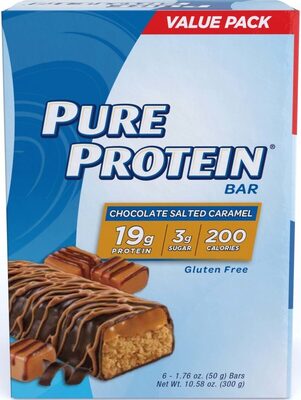
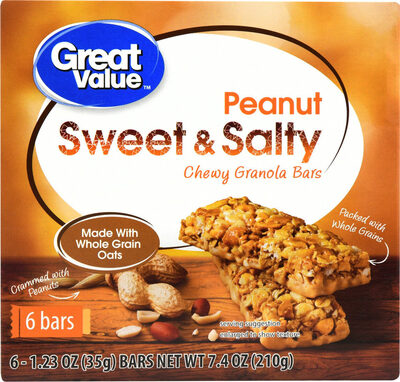
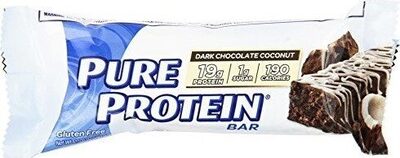
Foods that contain Nonfat Dry Milk Solids
Compare products →
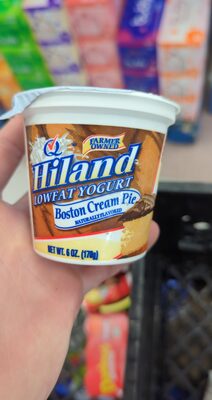
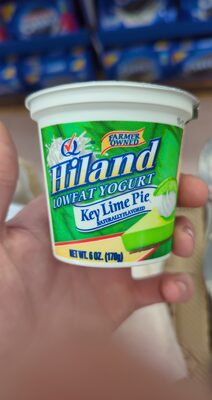
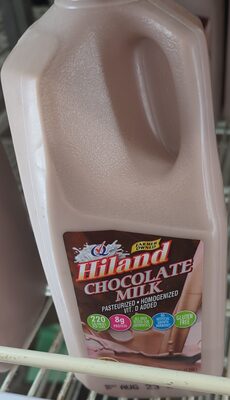 Hiland
Milk, Chocolate
High in saturated fat — 25% DV per serving
92kcal
3.3Protein
3.3Fat
12.1Carbs
Learn more
Auto-generated content. This description was generated automatically and is pending editorial review. Inaccuracies are possible. Found a mistake? Contact us.